


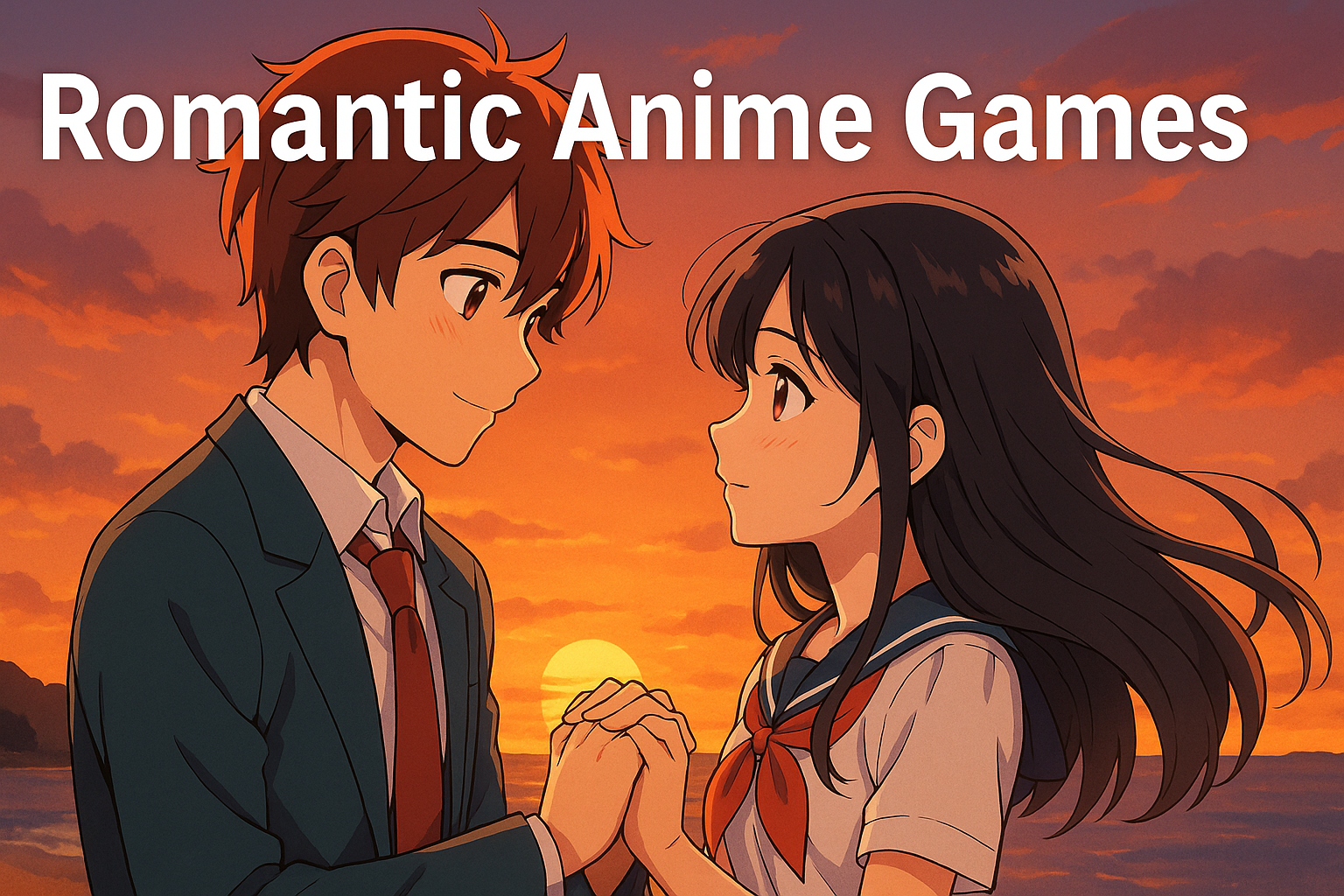
Romantic Anime Games: Why Interactive Love Stories Captivate Players
How emotion-driven storytelling became a genre — and how to create your own
Romantic games with anime characters have carved out a unique place in modern gaming. Sitting between visual novels, interactive films, and romance literature, these games focus less on mechanics and more on feelings. They invite players into carefully crafted emotional worlds where relationships, dialogue, and choice matter most.
Much like romance books or movies, their success comes from how deeply they resonate with the player.
Why People Are Drawn to Romantic Anime Games
Story Comes Before Gameplay
Romantic anime games are narrative-first experiences. Players engage primarily with:
- Dialogue and character interaction
- Emotional tension and slow relationship growth
- Story arcs that evolve through choices
Instead of winning, the goal is to experience a story.

Emotional Connection and Escapism
These games allow players to step into a romantic narrative without real-world risk. People enjoy them because they offer:
- A safe space to explore emotions
- Comfort and emotional release
- A temporary escape from everyday stress
Anime characters, with their expressive faces and stylized emotions, make these connections feel immediate and sincere.
Choice Makes the Romance Personal
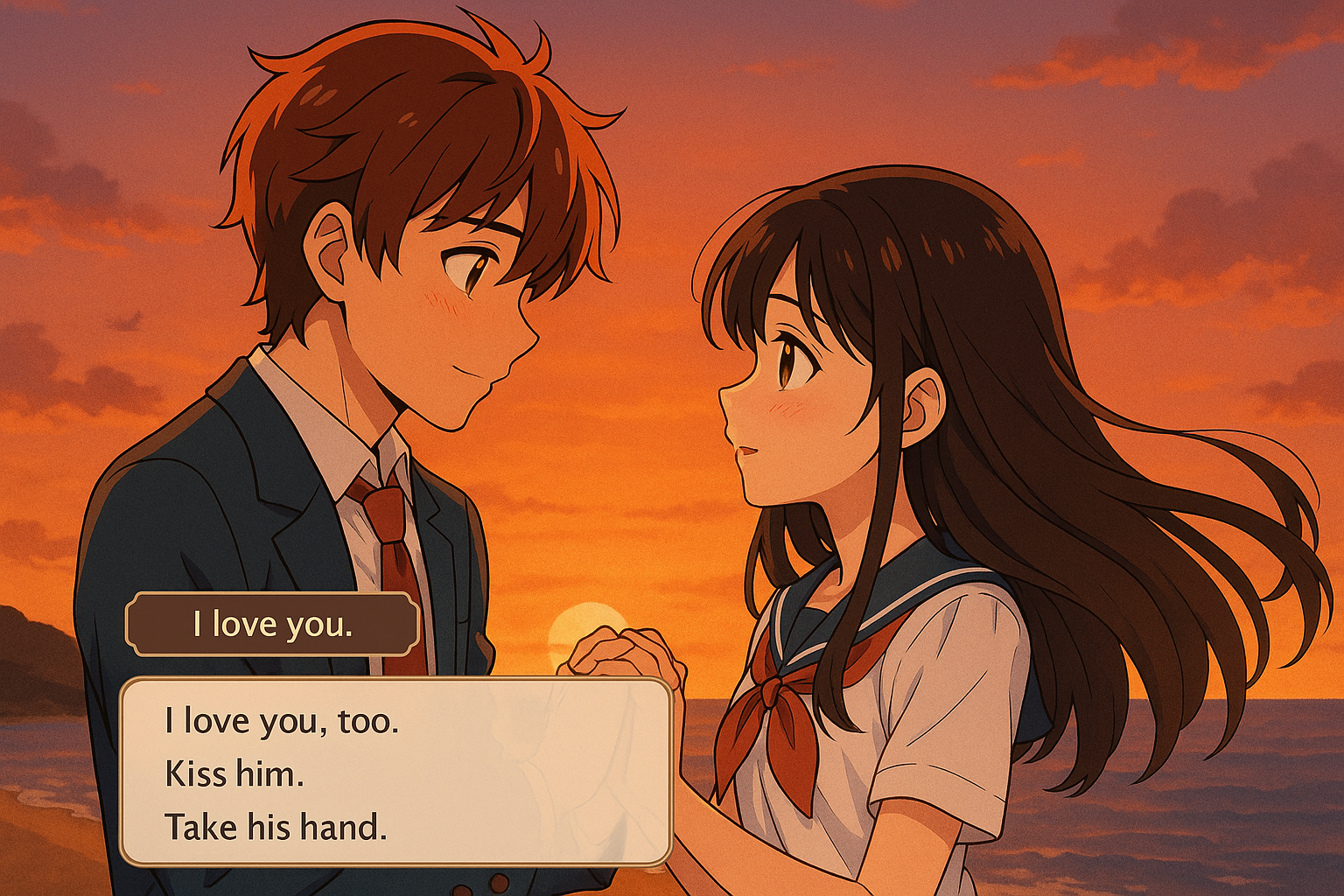
Interactivity is what separates romantic games from films or novels. Player decisions influence:
- How characters perceive the protagonist
- Which romantic path develops
- The tone and outcome of the story
This sense of agency makes each playthrough feel personal rather than scripted.
Why Anime Works So Well for Romance
Anime aesthetics naturally amplify emotion. They excel at:
- Exaggerated expressions that communicate feeling instantly
- Visual symbolism instead of realism
- Soft, atmospheric environments that support intimacy
These visual choices enhance emotional storytelling without overwhelming it.
Comfort Over Competition
For many players, romantic games are a form of comfort media. They are enjoyed because they:
- Can be played at a slow, relaxed pace
- Avoid stressful mechanics or failure states
- Focus on connection rather than performance
How to Create Your Own Romance Game with Rosebud AI
Creating a romantic anime-style game no longer requires technical expertise. With Rosebud AI, the process feels closer to writing a story than developing a traditional game.
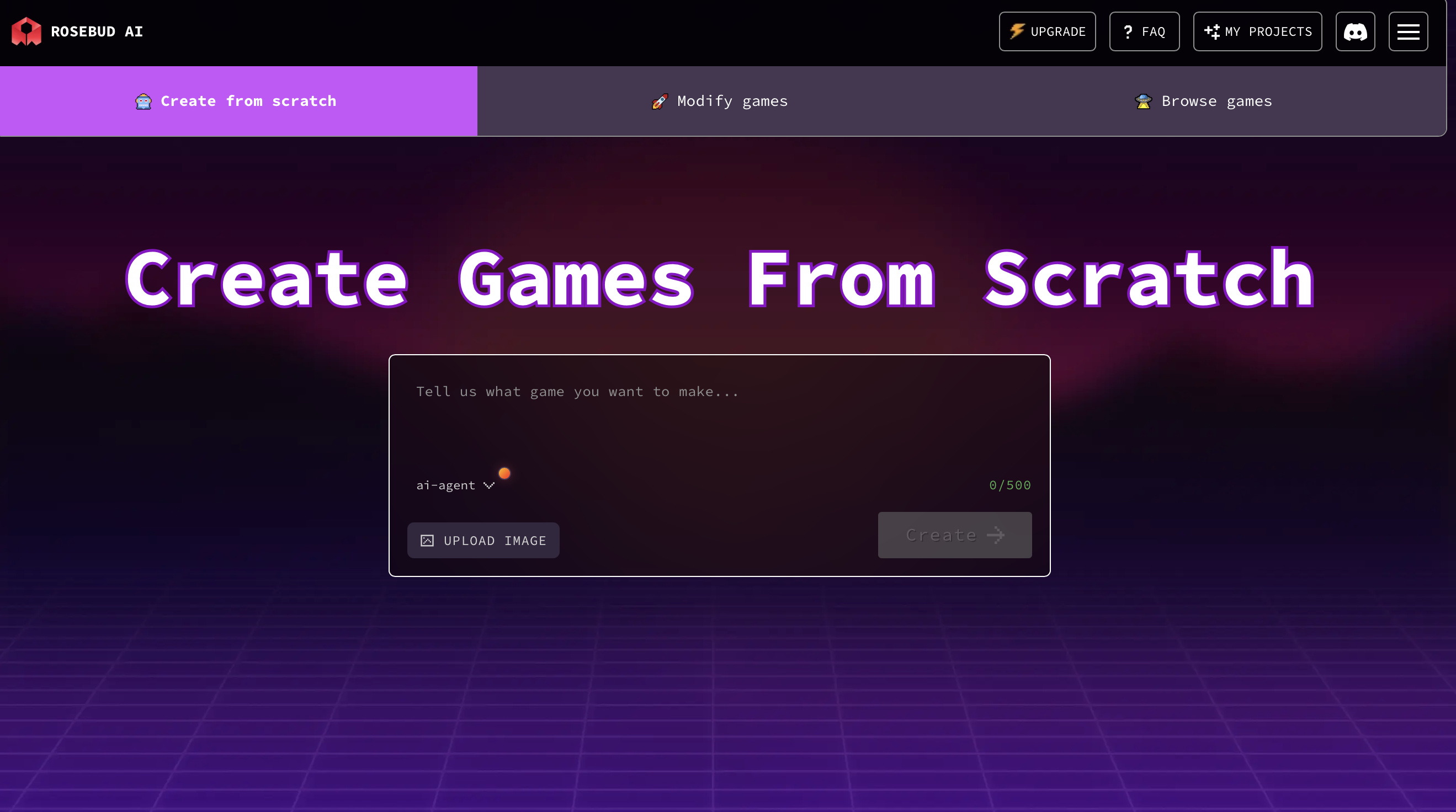
Step 1: Start on the Homepage
Go to rosebud.ai and create a new game directly from the homepage. Rosebud uses natural language prompts to generate playable experiences.
Step 2: Describe the Romance in a Prompt
A good prompt clearly defines the emotional core of the game:
- Setting and atmosphere
- Characters and their personalities
- The romantic tone (soft, dramatic, bittersweet, playful)
Example prompt:
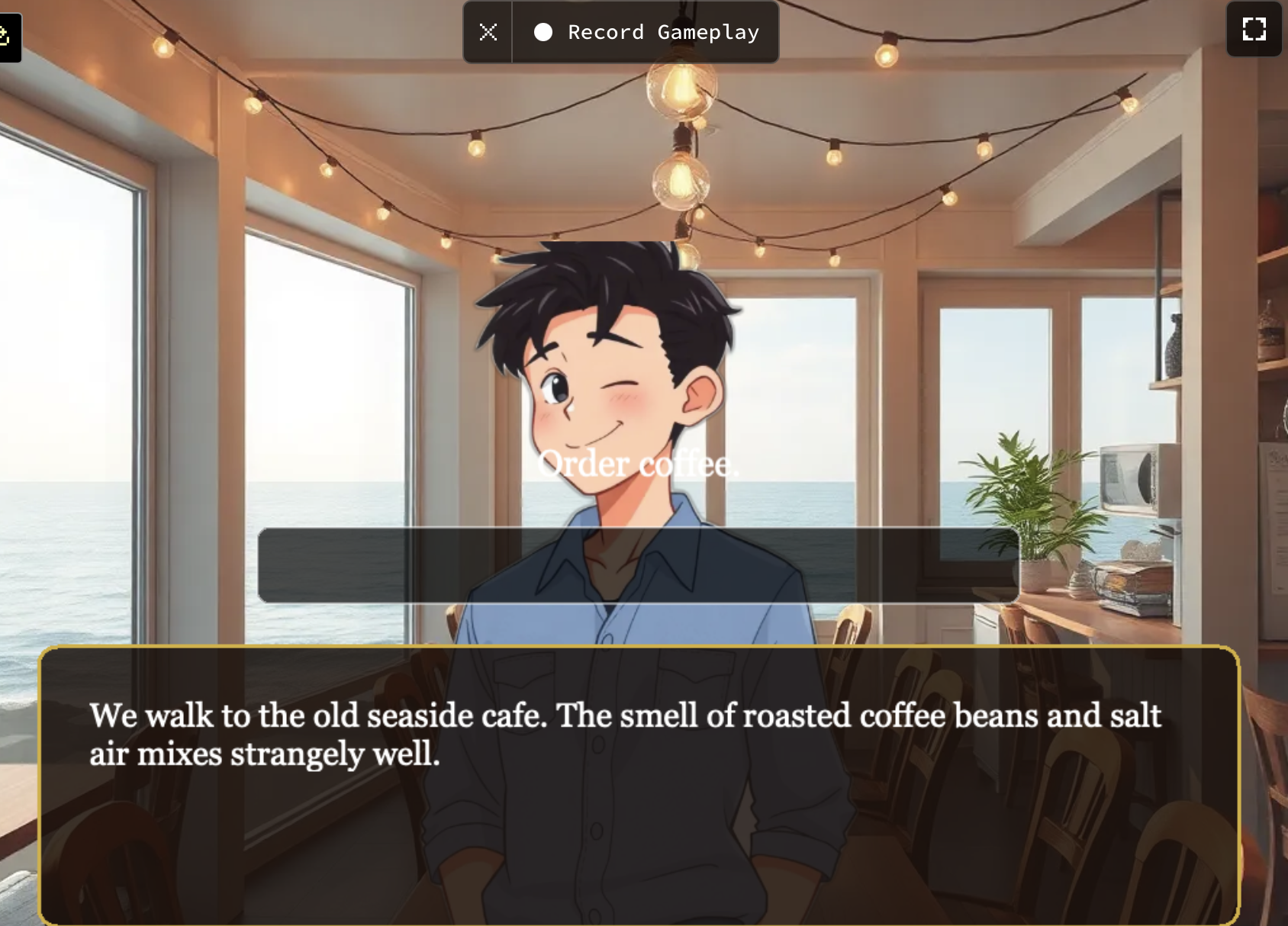
Create a romantic anime-style story game set in a quiet coastal town. The player builds relationships through dialogue and choices, with multiple romance paths and emotionally driven endings.
You can try my version here.
Step 3: Personalize the Experience
After generation, you can refine the game by:
- Editing dialogue to match the desired emotional tone
- Expanding character backstories
- Adding meaningful choice points
- Creating multiple endings based on player behavior
This iterative process allows creators to shape the romance naturally.
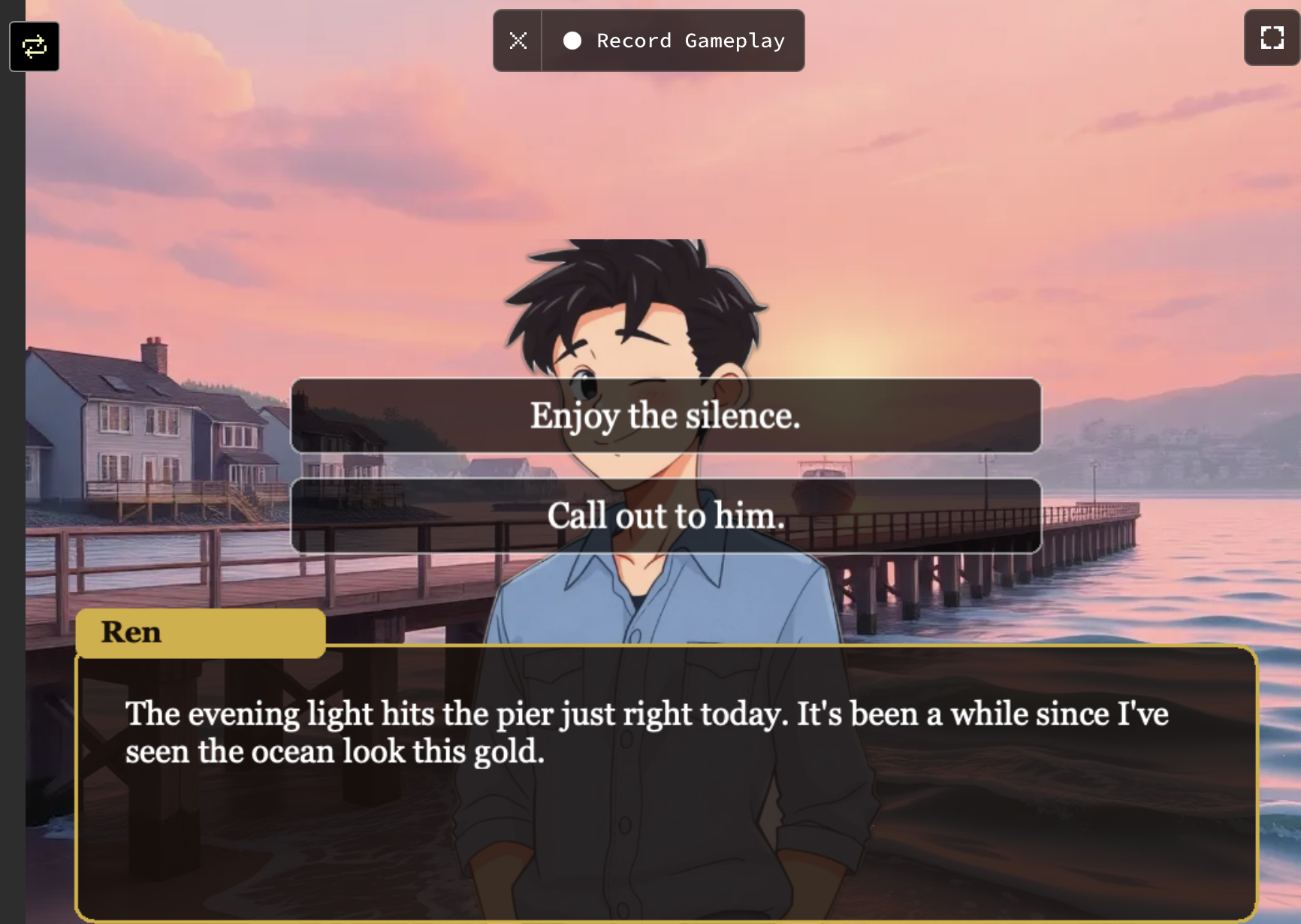
Step 4: Play, Share, and Iterate
Once the game is playable, you can:
- Share it instantly with others
- Collect feedback
- Expand the story episodically, like chapters in a romance novel
Why Romantic Games Continue to Grow
Romantic anime games thrive because they combine three powerful elements:
- Storytelling inspired by books and films
- Emotional engagement through choice
- Visual styles that heighten intimacy
As AI tools lower the barrier to creation, more creators are turning personal ideas and emotions into interactive love stories. Romantic games are no longer just something to watch or read — they are experiences shaped by the player, one choice at a time.

Patrick Moumiet
Patrick is a marketer at Rosebud with a background as a content creator and social media strategist. He has launched courses and coaching programs in social media marketing and content creation, coaching 500+ large-scale influencers customers. On the Rosebud blog, he writes about consumer AI and how to make money with AI, exploring ways to combine state-of-the-art models with Rosebud’s creative tools.