


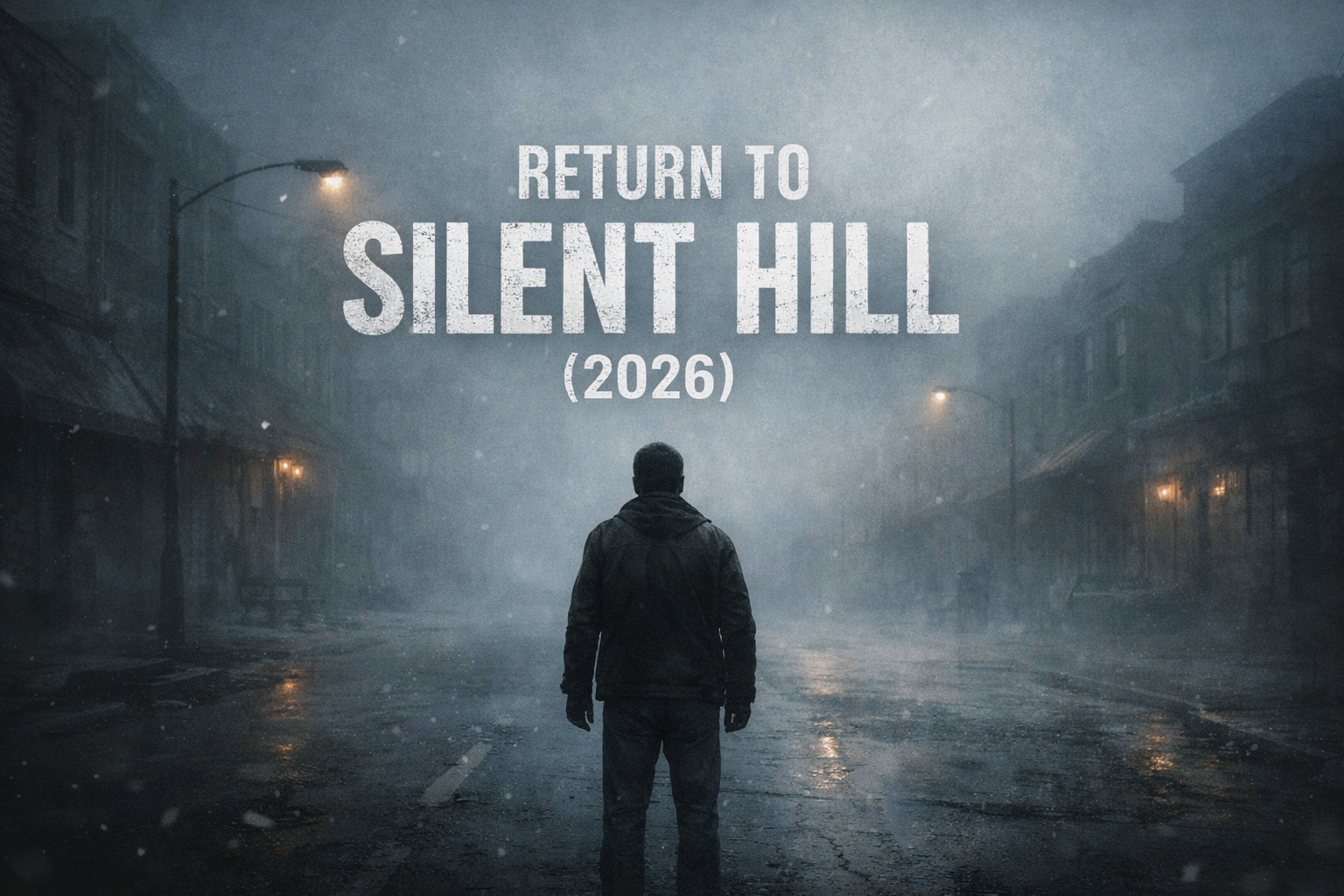
Return to Silent Hill (2026): What It Is, Why It Matters, and How to Create Your Own Silent Hill–Style Game
Part 1 — What Is Return to Silent Hill (2026)?
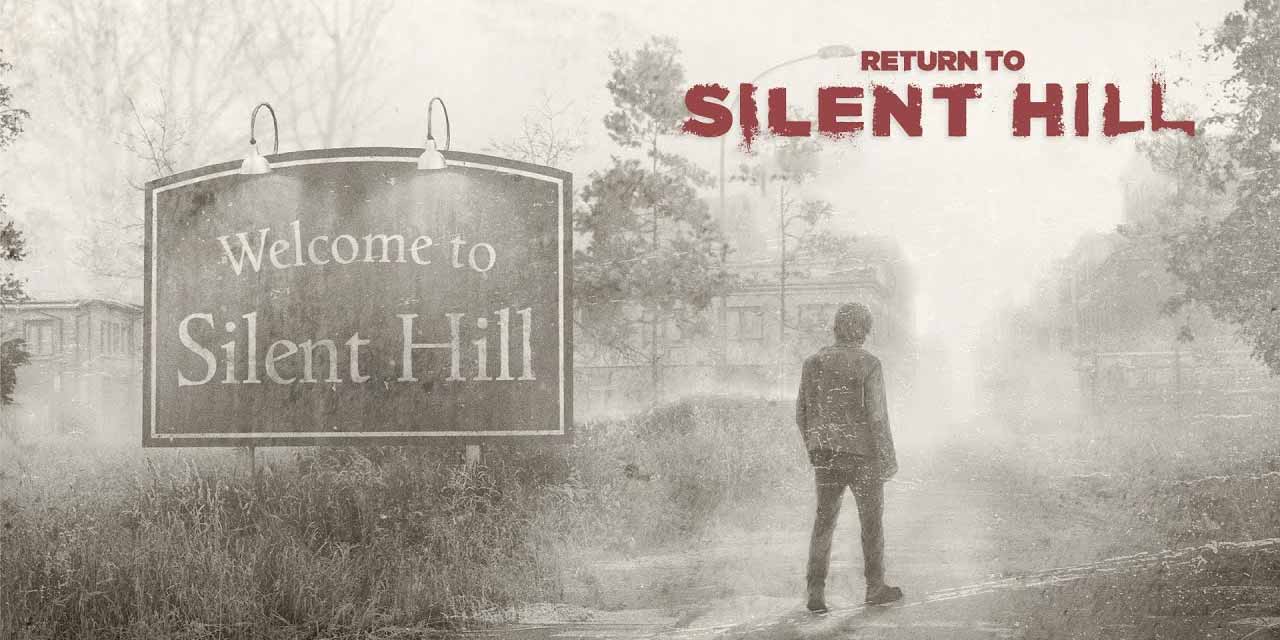
Return to Silent Hill is the upcoming third Silent Hill movie, directed by Christophe Gans, who also directed the original 2006 film. Unlike the 2012 sequel, this movie is loosely inspired by Silent Hill 2—the most beloved and emotionally heavy game in the franchise.
The story follows James Sunderland, a man drawn back to the fog-covered town of Silent Hill after receiving a mysterious message connected to a lost loved one. The film leans into psychological horror, symbolism, and emotional trauma rather than fast-paced action or jump-scare horror. The movie is currently expected to release in 2026.
A Brief History of Silent Hill (and Why It’s Special)
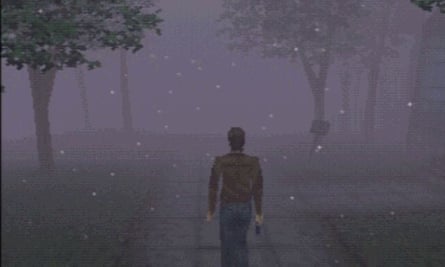
Silent Hill began in 1999 as a survival-horror game series known for doing something very different:
instead of monsters being random threats, they were manifestations of guilt, grief, fear, and denial.
Silent Hill 2 (2001) became legendary because:
- The horror was psychological, not just visual
- The town reacted to the player’s inner state
- Endings were shaped by how the player behaved, not a single choice
The 2006 film captured the atmosphere and visuals well, but the series then went quiet for years. Now, with new games, remakes, and this film, Silent Hill is experiencing a full revival moment—which is why expectations are high.
Why Fans Are Excited for This New Film
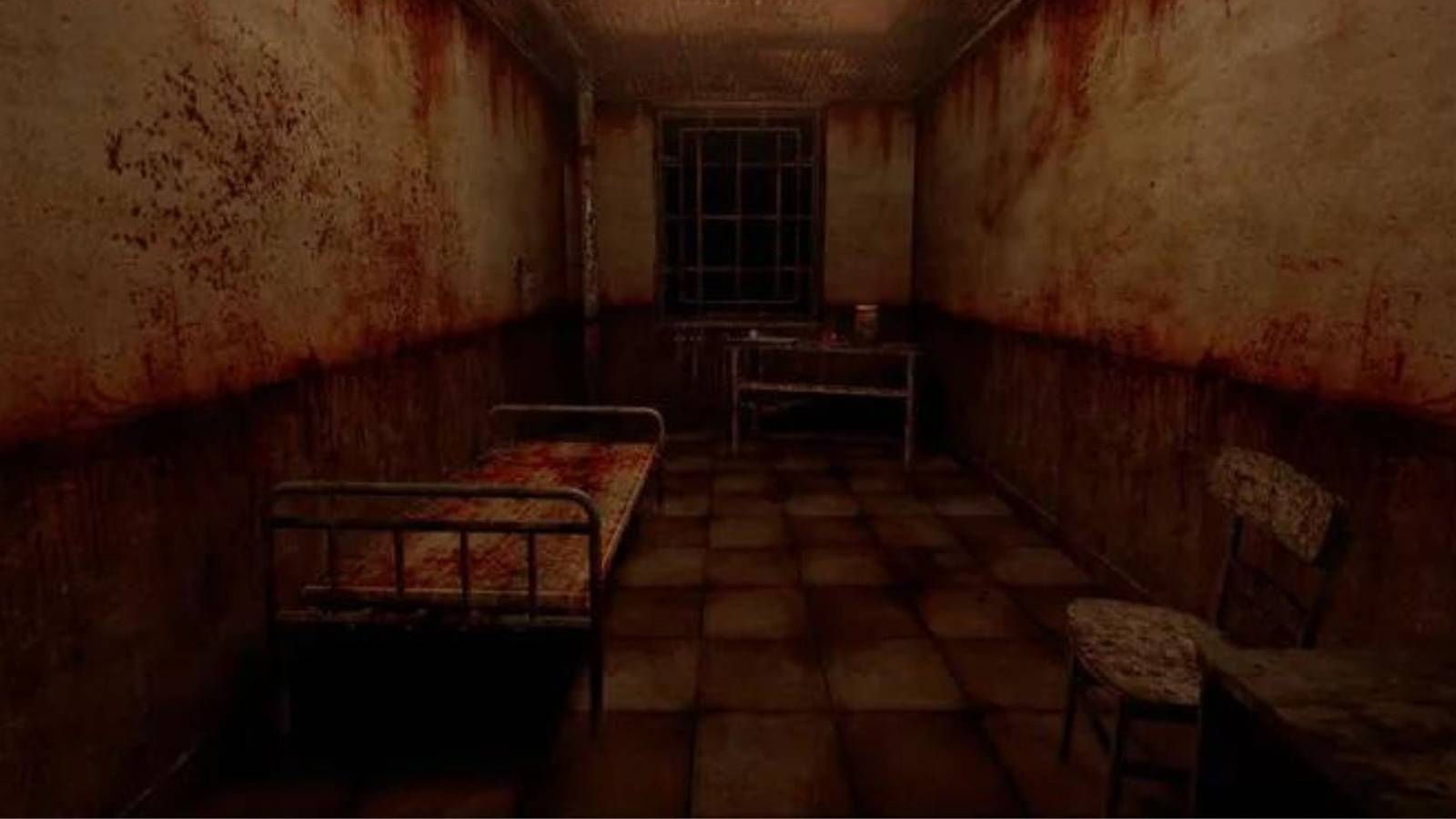
People aren’t just waiting for another horror movie — they’re waiting for:
- A faithful psychological take, not generic horror
- A return to slow dread, fog, sound design, and symbolism
- A director who understands Silent Hill’s tone
- A movie that respects Silent Hill 2’s emotional depth
In short: fans want Silent Hill to feel uncomfortable, not flashy.
Part 2 — Create Your Own Silent Hill–Style Game (and Play It for Free) on Rosebud AI
You can create a fog-town psychological horror game inspired by its design philosophy using Rosebud AI.
500-character ideation prompt
Prompt:
Create a psychological horror game set in a fog-covered town. The protagonist returns after receiving a letter from a lost loved one. Gameplay focuses on exploration, limited combat, radio static that warns of danger, symbolic monsters, and “Otherworld” shifts that transform locations. Choices affect multiple endings based on guilt, obsession, or acceptance.
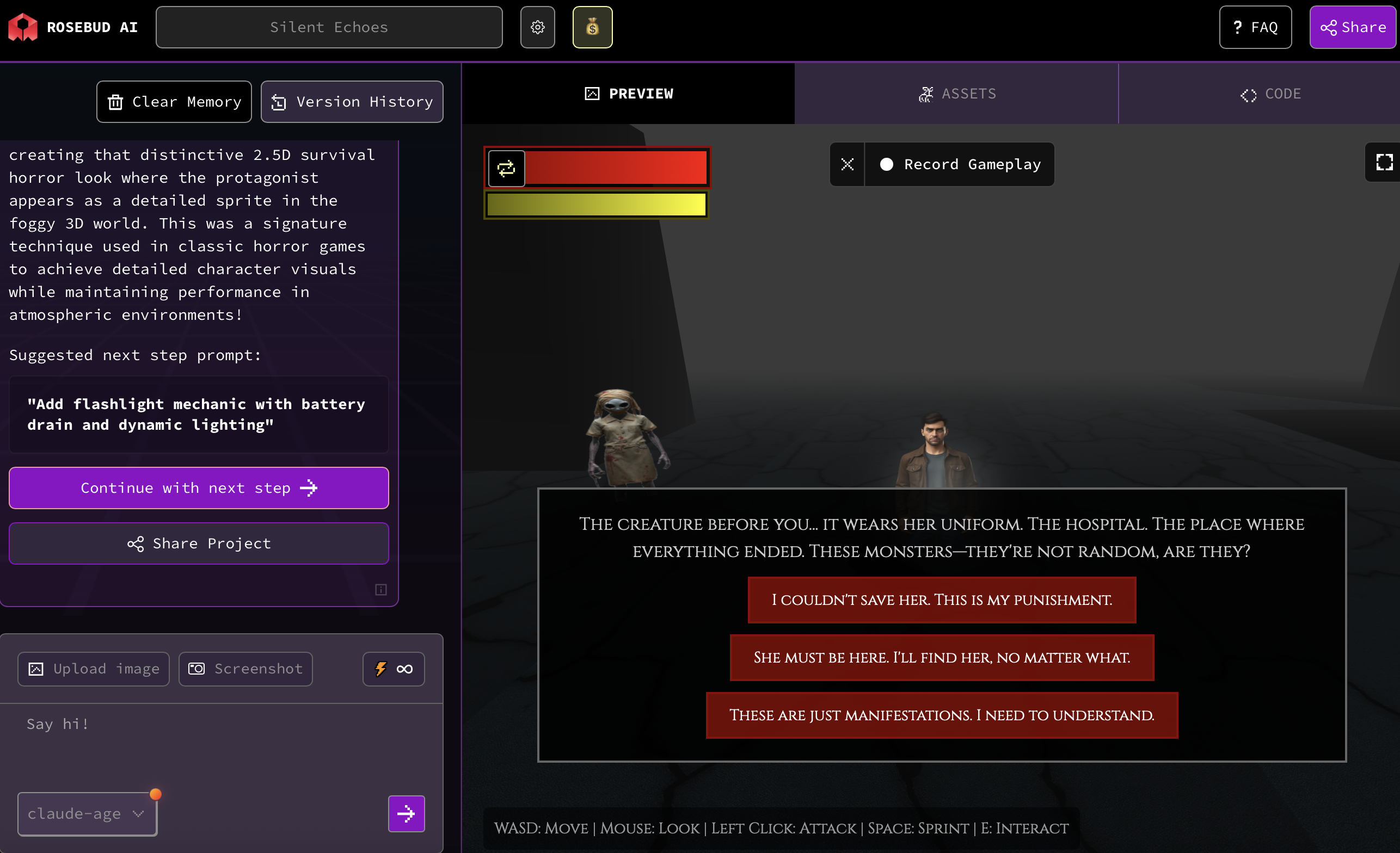
Design & gameplay advice
- Prioritize atmosphere over combat
- Use sound and fog as primary tension tools
- Make monsters symbolic, not random
- Keep puzzles sensory (audio, symbols, environment)
- Let endings emerge from player behavior, not a final button
This approach captures what Silent Hill actually is — a psychological experience, not an action game.
Conclusion
Return to Silent Hill (2026) represents more than a movie comeback — it’s a return to psychological horror done right. By revisiting the themes that made Silent Hill 2 unforgettable, the film arrives at the perfect time, alongside a broader revival of the franchise.
At the same time, tools like Rosebud AI make it possible for anyone to explore these ideas themselves. Silent Hill has always been about confronting inner darkness — and now, you don’t need a studio or a big budget to do that. You can build, play, and share your own fog-filled horror story.
Patrick Moumiet
Patrick is a marketer at Rosebud with a background as a content creator and social media strategist. He has launched courses and coaching programs in social media marketing and content creation, coaching 500+ large-scale influencers customers. On the Rosebud blog, he writes about consumer AI and how to make money with AI, exploring ways to combine state-of-the-art models with Rosebud’s creative tools.