


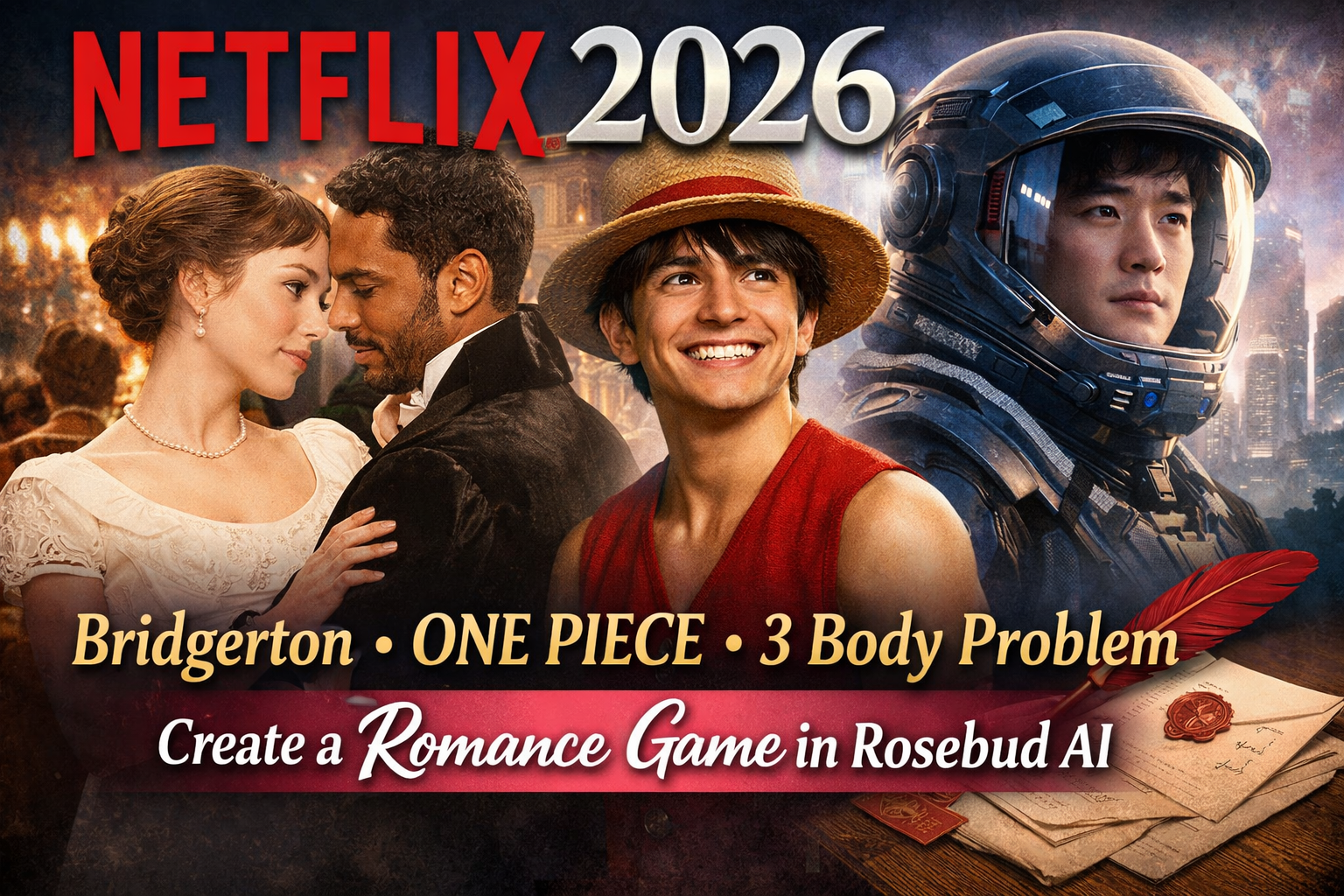
Netflix 2026 Preview: Bridgerton, ONE PIECE, 3 Body Problem — Then Build a Netflix-Inspired Game in Rosebud AI
Netflix in 2026 is shaping up to be a defining year for serialized entertainment. With multiple global franchises returning alongside prestige sci-fi and long-running fan favorites, Netflix is doubling down on shows that generate sustained attention rather than one-week spikes.
For creators, this trend matters. These shows are not just content—they are systems built on characters, tension, and choice. That makes them ideal foundations for interactive games.
This article covers two things:
- the biggest Netflix shows coming in 2026
- how to turn a Netflix-style show into a playable game using Rosebud AI, with Bridgerton as the example
The biggest Netflix shows to watch in 2026


Netflix’s 2026 slate is anchored by returning series with massive built-in audiences. These shows are designed to dominate conversation across social media, fandom communities, and streaming charts.
Bridgerton (Season 4) continues Netflix’s most successful romance franchise. Its appeal lies in social maneuvering, reputation management, and emotional restraint—elements that naturally lend themselves to interactive mechanics.
ONE PIECE (Season 2) expands the scope of Netflix’s live-action anime adaptations. With a larger world, new locations, and escalating threats, it is positioned as one of Netflix’s biggest global releases of the year.
3 Body Problem (Season 2) represents Netflix’s prestige sci-fi strategy. The series leans into long-term stakes, philosophical tension, and slow escalation, making it particularly attractive to viewers who enjoy speculation and theory-driven storytelling.
Other major 2026 Netflix releases include:
- The Witcher (final arc momentum)
- The Night Agent (high-tempo political thriller)
- BEEF (anthology continuation)
- Virgin River and Sweet Magnolias (comfort-drama mainstays)
- final seasons of Outer Banks and Queer Eye
The pattern is clear: Netflix is prioritizing franchises with identity, longevity, and replay value.
Why Netflix shows translate so well into games
Most successful Netflix originals share three traits that map directly to game design.
First, they are character-driven. Each story revolves around distinct personalities with conflicting motivations.
Second, they rely on escalation. Every episode raises stakes—social, emotional, or existential.
Third, they invite audience projection. Viewers constantly imagine what they would do differently.
Games thrive on these exact ingredients.
Rather than recreating episodes scene by scene, the goal is to extract the core fantasy of a show and turn it into a repeatable loop of decisions and consequences.
Turning Bridgerton into a Netflix-style game concept with Rosebud AI
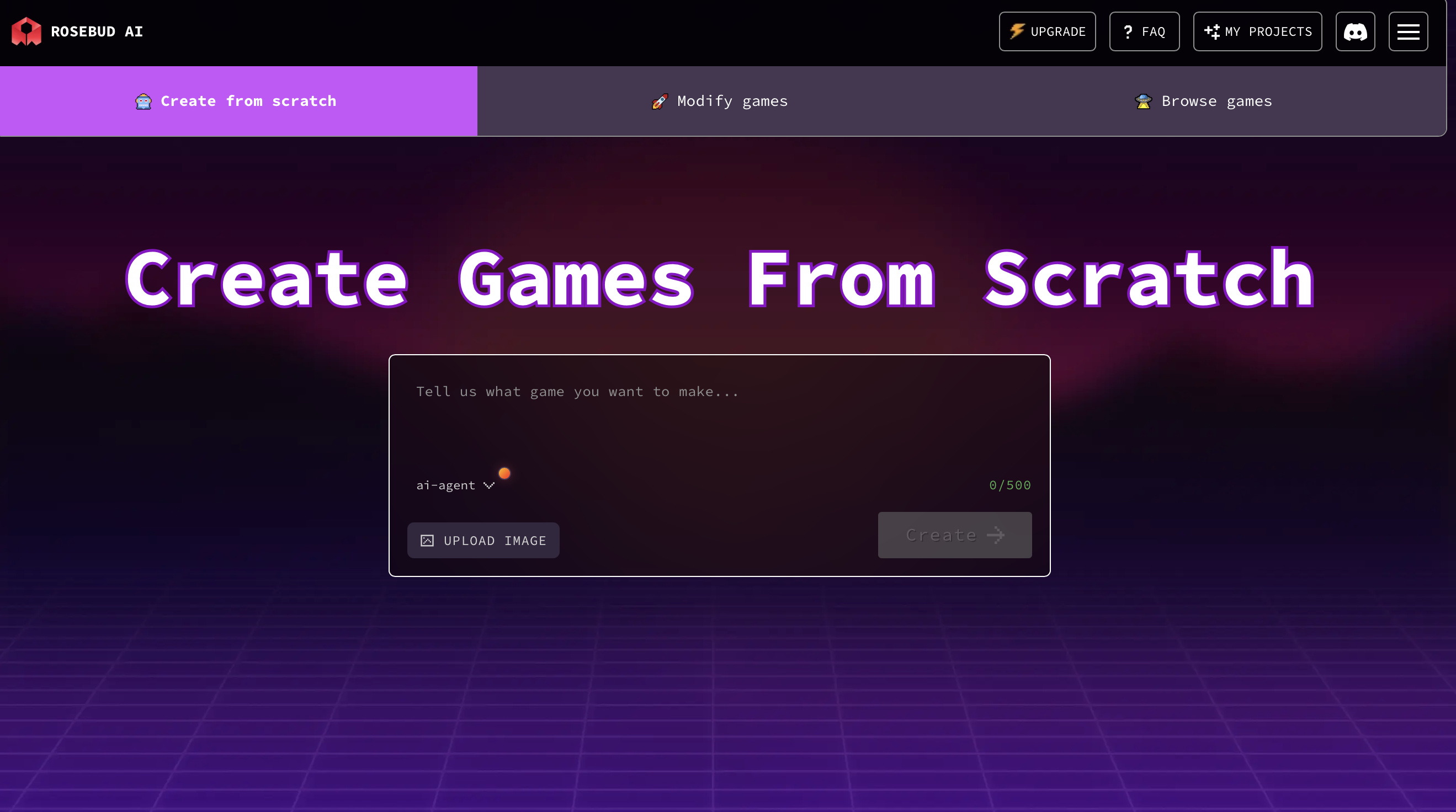
To create this type of experience in Rosebud AI, you don’t recreate episodes or dialogue word for word. Instead, you translate the core fantasy of Bridgerton into a playable system.
For Bridgerton, the fantasy is not simply romance. It is romance under pressure—where every choice affects reputation, social standing, and future opportunity. Attraction alone is never enough; timing, restraint, and perception matter just as much as emotion.
Try the immersive Rosebud AI Bridgerton game 👉 https://rosebud.ai/p/bridgerton-realistic-full-game-with-gems-3
Rather than building a traditional chat-based dating game, this concept works best as a letter-driven romance strategy game. Communication is slow, deliberate, and high-stakes. Each message is a commitment, not an ongoing chat.
The experience borrows the emotional rhythm of modern dating apps:
- anticipation before a response
- rejection or silence as emotional feedback
- competition with unseen rivals
- timing as a strategic advantage
However, these mechanics are expressed through Regency-era communication, where silence can be more damaging than a harsh reply.
Example Rosebud AI prompt to create this game
To build this exact concept in Rosebud AI, you can start with a prompt like this:
Create a Regency-inspired romance strategy game set in high society. The player navigates one social season by choosing suitors and writing one letter per week. Each letter is evaluated on Charm, Sincerity, Status, and Scandal. Suitors have hidden preferences and dealbreakers. Based on the letter, the player receives a reply, a rejection, or no letter at all. Reputation, rumors, and rivals affect outcomes. The goal is to secure devotion or engagement before the final ball, while avoiding social exile.
This single prompt gives Rosebud AI everything it needs:
- a clear fantasy (romance under social pressure)
- a structured loop (weekly letters)
- emotional stakes (reply vs silence)
- win and loss conditions
From there, creators can expand the prompt with additional characters, events, and narrative flavor—but even this simple version is enough to generate a playable Netflix-style romance game inspired by Bridgerton.
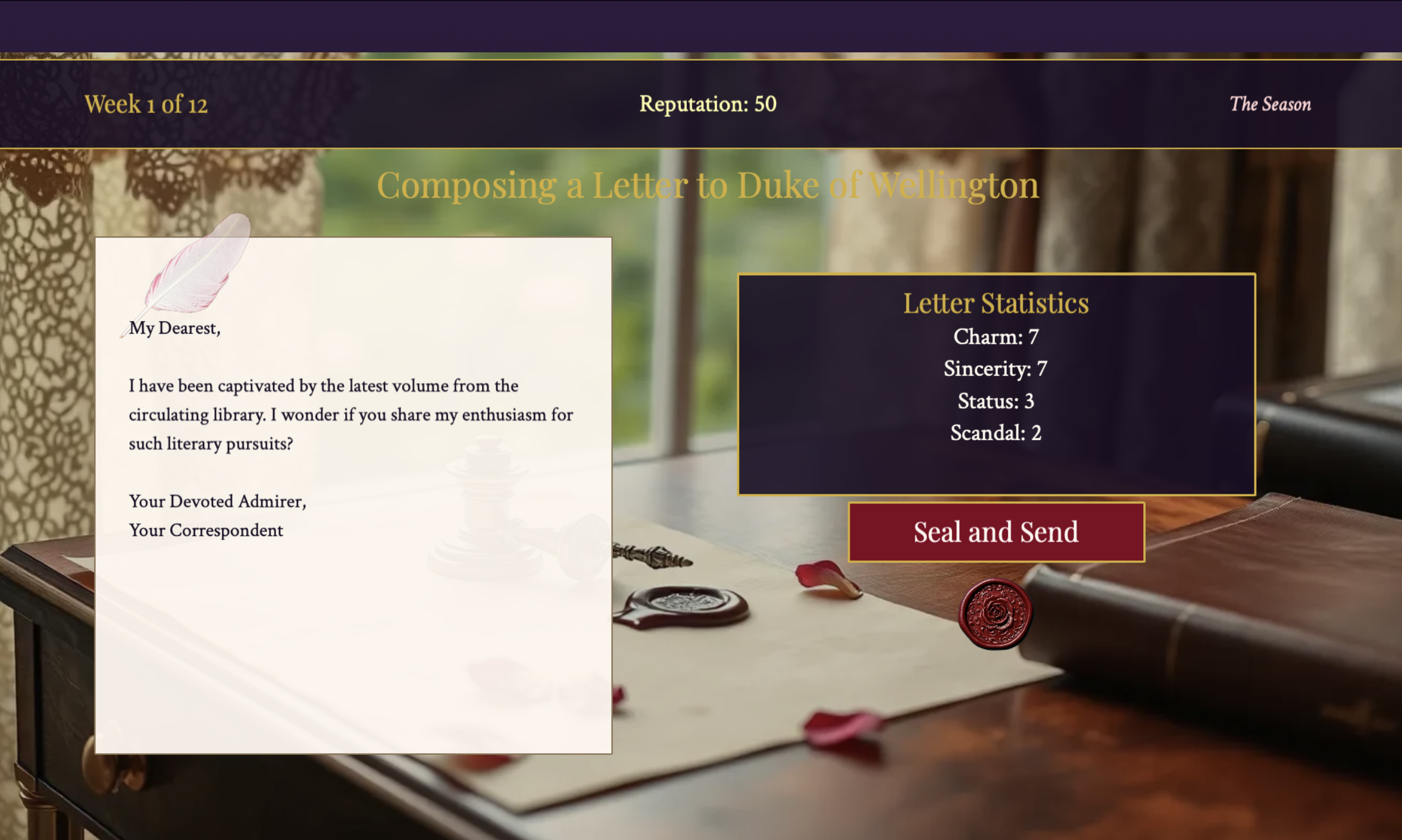
But it expresses them through Regency-era communication, where silence can be more damaging than a harsh reply.
Core gameplay loop (simple and readable)
Each playthrough represents a single social season. Every turn is a week.
The loop works as follows:
- The player chooses one suitor from a small rotating deck
- The player writes one letter (or selects from suggested drafts)
- The game evaluates tone, intent, and risk
- The suitor responds—or does not respond
- Reputation and relationships shift
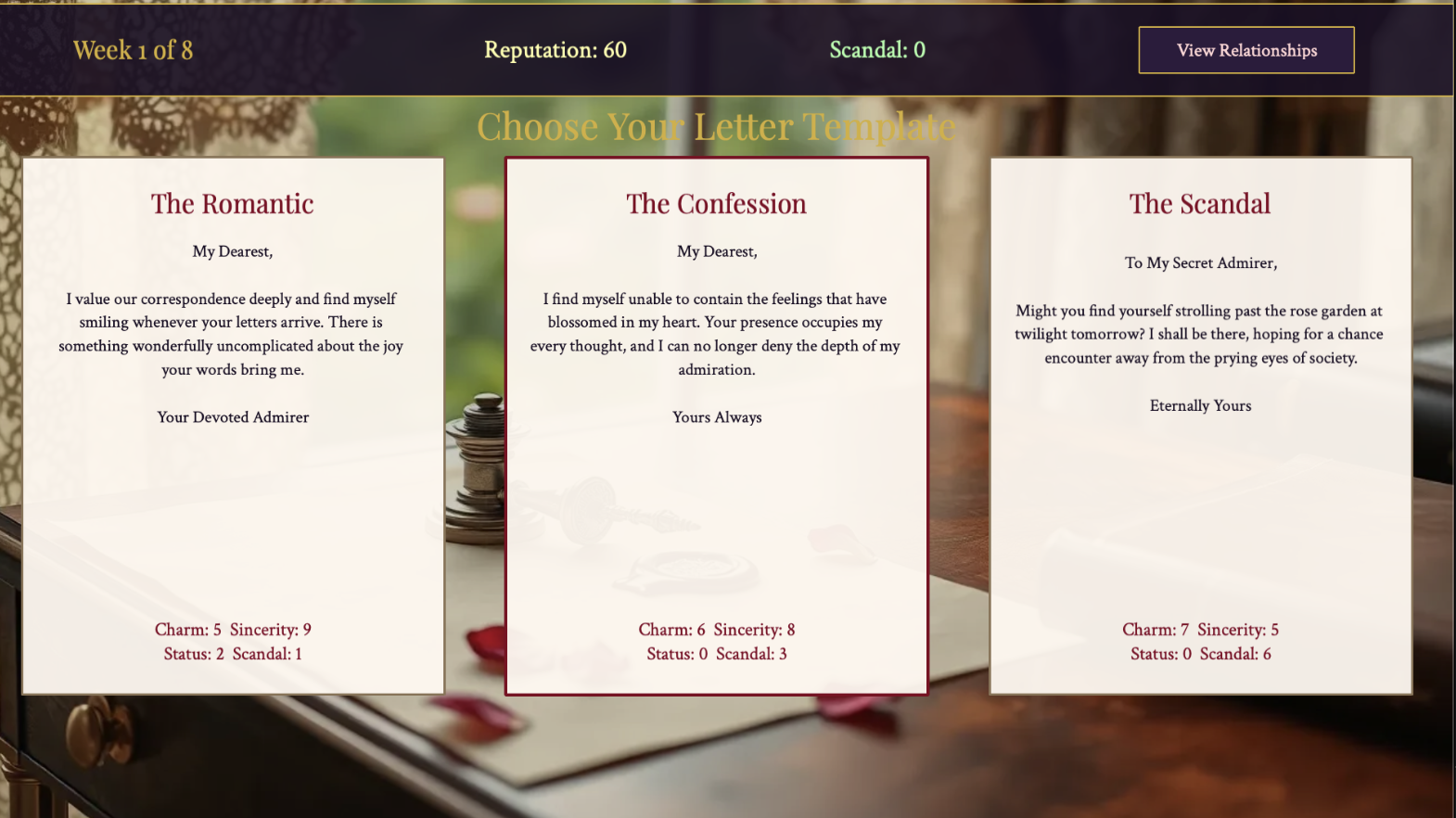
That absence of response becomes the game’s most powerful emotional mechanic.
Winning, losing, and replay value

Victory is not guaranteed and never clean.
Win conditions may include:
- securing an engagement before the season ends
- reaching maximum mutual devotion with a character
Loss can happen through:
- repeated unanswered letters
- scandal overwhelming reputation
- losing a suitor to a rival
Because characters, preferences, and events shift between runs, players are encouraged to replay—testing new tones, strategies, and social risks.
Building the game with Rosebud AI
Rosebud AI, the leader AI game creator an tool, makes this type of game accessible without traditional development overhead. Instead of hard-coding dialogue trees, creators describe:
- the world and tone
- character archetypes
- scoring logic (charm, sincerity, scandal)
- win and loss conditions
The system evaluates player input dynamically and generates responses that feel contextual and narrative-driven. This allows creators to focus on player psychology and pacing.
Final thoughts
Netflix’s 2026 lineup is more than a list of shows—it’s a catalog of interactive inspiration. Series like Bridgerton, ONE PIECE, and 3 Body Problem already function like games, built on choice, tension, and consequence.
With tools like Rosebud AI, creators can move quickly from inspiration to playable experience, turning passive fandom into active participation—without losing the emotional core that made these shows successful in the first place.

Patrick Moumiet
Patrick is a marketer at Rosebud with a background as a content creator and social media strategist. He has launched courses and coaching programs in social media marketing and content creation, coaching 500+ large-scale influencers customers. On the Rosebud blog, he writes about consumer AI and how to make money with AI, exploring ways to combine state-of-the-art models with Rosebud’s creative tools.