


As a kid, Lux drew alternate history maps in MS Paint. Sprawling colored blobs, imagined empires, countries that never existed. The maps were fun to make, but something always nagged at him.
"It always felt like it was lacking imagination. What are these color blobs? What do they represent?"
He wanted to hover over a country he'd painted and actually see what it was. For years, nothing he could find did exactly that. Grand strategy games came close, but they all wanted you to play, to min-max, to simulate, or to win. After a long day of work in the policy space, that wasn't what he wanted.
"When I got home from work, I wanted to relax and that's what inspired me to make this. I saw that nothing out there that did exactly what I was looking for, a simple map painting software where one could just unwind and put their imagination on a map."
So he built it. On May 5, Polity Painter launches on Steam. It’s a creative sandbox for the alternate history crowd, made by someone whose entire coding background, before this, was rudimentary HTML and CSS.
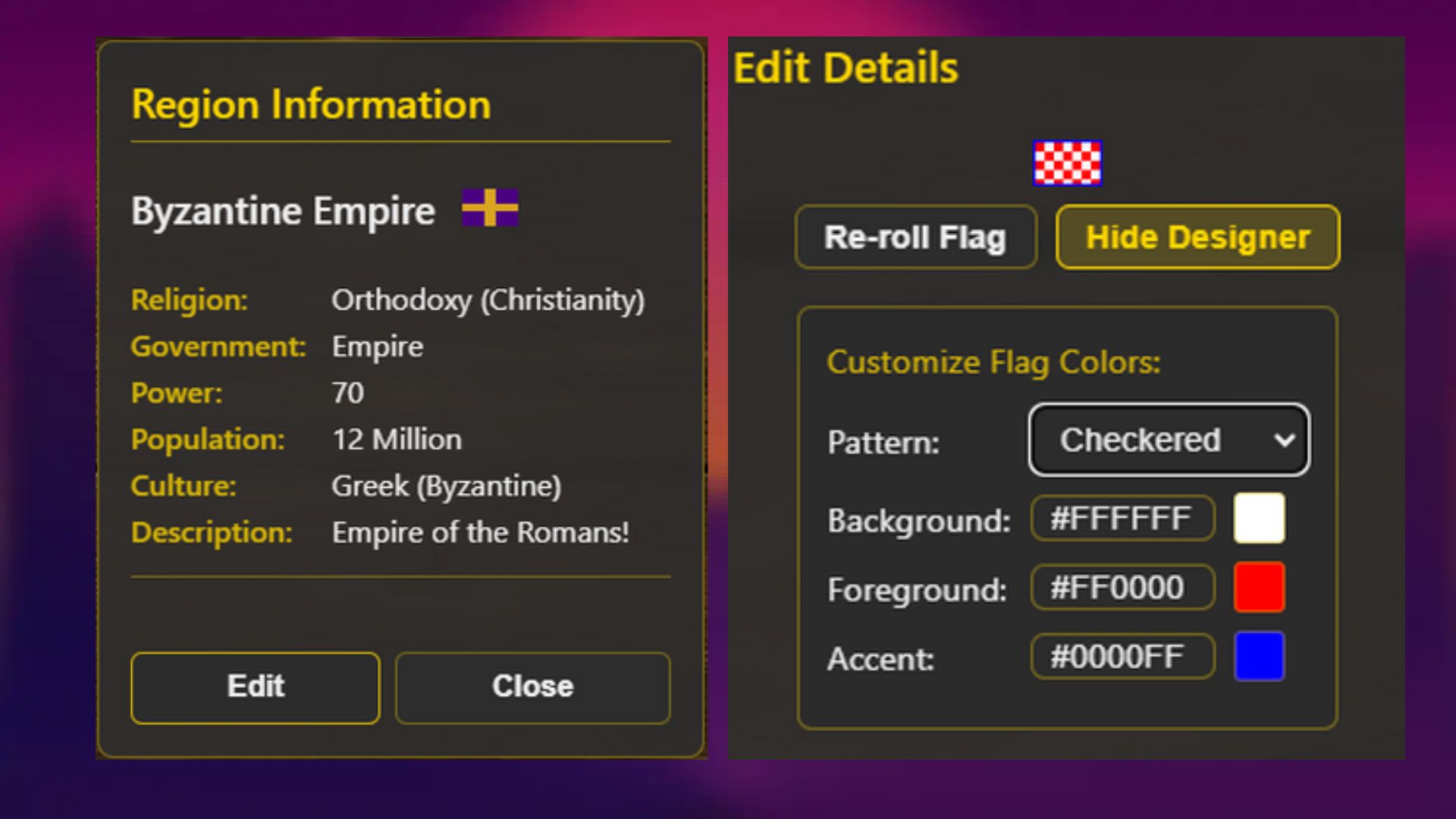
The branding looks deliberate, almost premium. Gold typography on black. A publisher name, Lux Historia. A tagline that promises you can "Replicate the Real World." Some of it is calculated, like gold and black map onto wealth and power, which is exactly the fantasy his audience reaches for. Some of it is personal: he's Taiwanese by heritage, where gold is traditionally auspicious. And some of it is just funny.
"Lux is actually my last name, so it's a bit of a boring answer there."

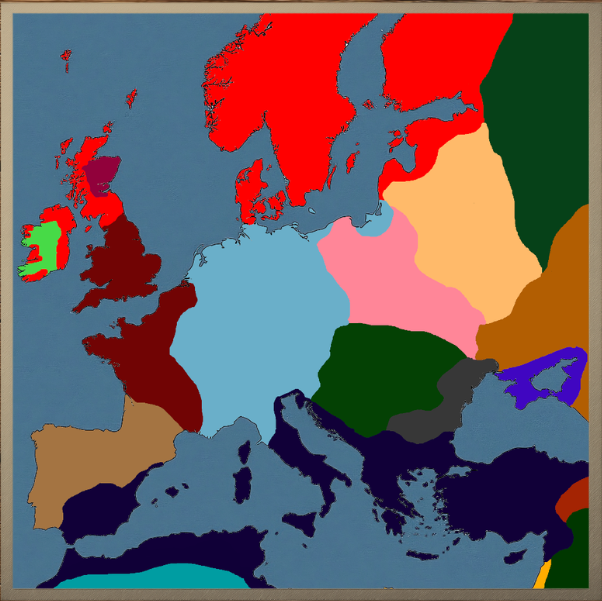
The first version of the tool wasn't pretty. A glitchy canvas, no real map assets, but enough to convince him the idea could work. The breakthrough came when he got Europe loaded as an actual map and watched the colors hold. Suddenly the project shifted in his head from a thing he was making for himself into something other people might want too.
Getting there required Rosebud doing the parts he couldn't.
"Making a game was always a pipe dream. I just lacked the hard skills to even start. Rosebud made the impossible possible."
What he describes is less about Rosie writing code and more about her covering the cognitive overhead like file names, function names and the structural memory of a project that grows past what any one person can hold in their head.
"I would have had to factor in the time to learn every little technical detail before I could even begin. I'd have to come up with names for everything and keep them straight through the whole code. I would forget."
When the older version of Rosebud kept failing to render an accurate world map, he asked Rosie directly for advice and got a clear answer: provide map assets. So he generated them, worked through the coloring kinks, and the system clicked. The pattern became collaborative, with Rosie handling what scaled, and Lux steering what needed taste.
The most consequential feedback came from a small closed playtest with about twenty friends, family, and colleagues, most of whom shared his historical interests. One note reshaped the entire tool.
"An early piece of feedback was that I shouldn't have predefined provinces, so the user's imagination wouldn't be unintentionally limited by the Overton Window of a time period. That was some of the best feedback I received. It pushed me to turn the game into a true sandbox and canvas for imagination."
The Rosebud community played a quieter but no less important role: less playtesting, more lifeline. A place to talk through technical questions when the codebase got unwieldy, and to watch other builders ship their own projects, which mattered more than he expected.
"Seeing all these other people working on their own projects provided me with the inspiration and motivation to believe I could do it as well."
The Steam listing process, the checklists, and the SteamSDK pipeline, was overwhelming at first and intuitive by the end. He's already secured a few positive curator reviews and plans to share Polity Painter with the audience of his YouTube channel, Abandoned History, the week of launch.
What he's hoping for from launch is, fittingly, the same shape as the project itself: small, personal, sincere.
"Since I originally made this for just me, everything that has happened since has been an achievement on its own. It would be nice to have 10 reviews or 1,000, but I haven't set a benchmark and don't intend to. Getting the game on Steam is a dream come true on its own."
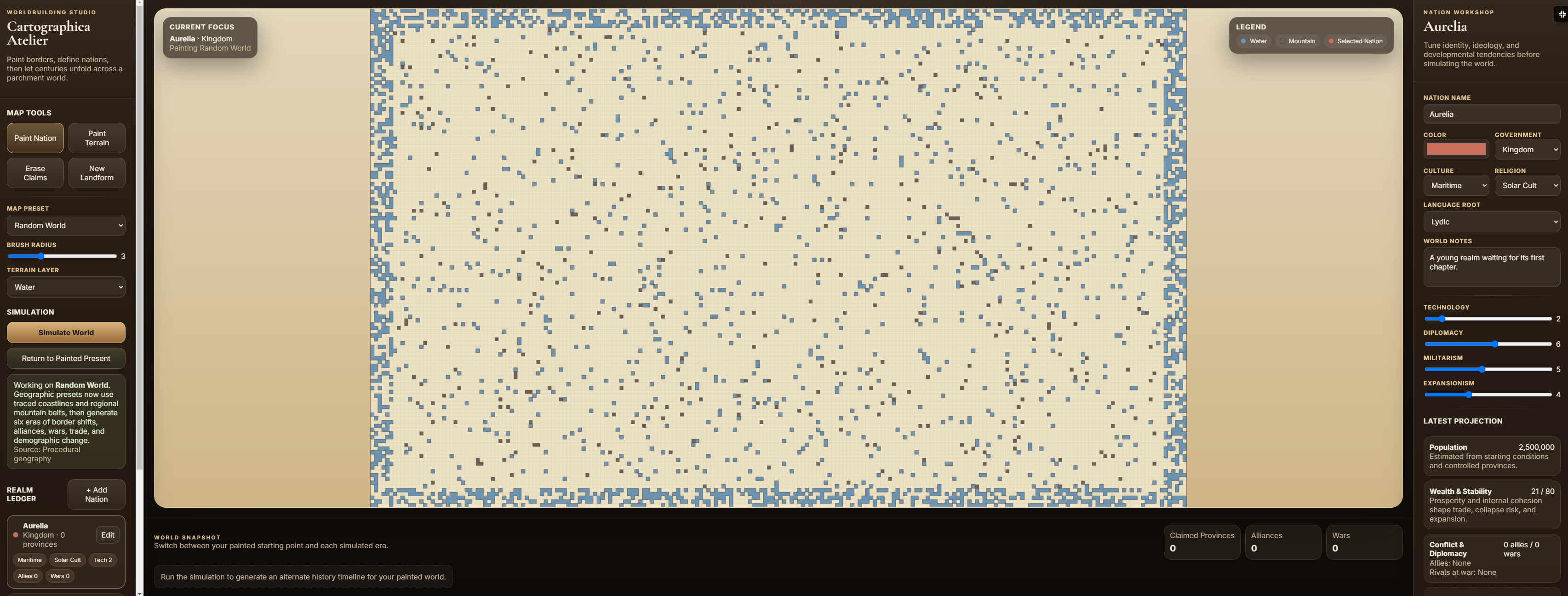
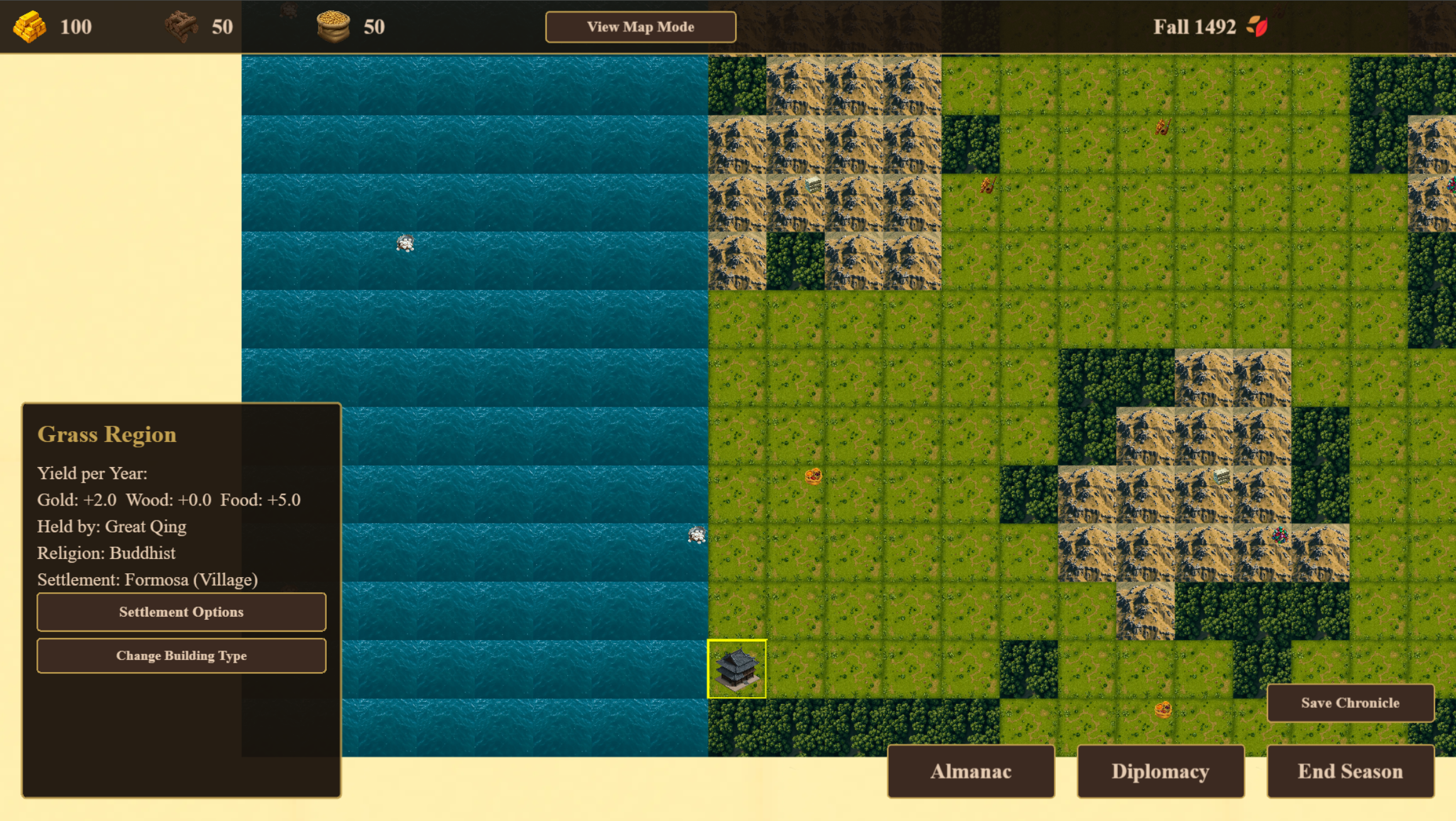
He's not slowing down, either. He's already started thinking about what's next, with Polity Painter II in early development on Rosebud. It’s a follow-up project with layered map modes for wealth, religion, and points of interest, all without breaking the calm feel of the original. He's also finishing up Colonia, a turn-based strategy project with alternate history paths like Joseon Korea or the Qing Dynasty.
“With Rosebud’s huge improvements since last year this process has been moving along with great speed and it’s something I am excited about.”
For anyone building a utility-first, niche-first project, his advice comes from his own experience.
"Ask yourself who the intended audience is and what problem you're solving. Often the best ideas come from solving a problem you have in your own life. There are billions of humans, and there will always be someone out there who might have a similar gap. If you think what you're making adds something to your own life, then go for it."
Polity Painter started as a tool for one person. It is now becoming a Steam release because the gap Lux was filling for himself turned out to exist for a lot of other people too.

Andi Bucescu
Andi is the Head of Marketing at Rosebud, where she writes about the intersection of AI, creativity, and brand storytelling. She explores how generative AI is reshaping marketing strategies and creative workflows, with a focus on making complex technology accessible and cutting through the noise of modern campaigns. Her perspective is informed by undergraduate research on effective social media content and consumer psychology.