


How to Create a Shooting Game with Rosebud AI
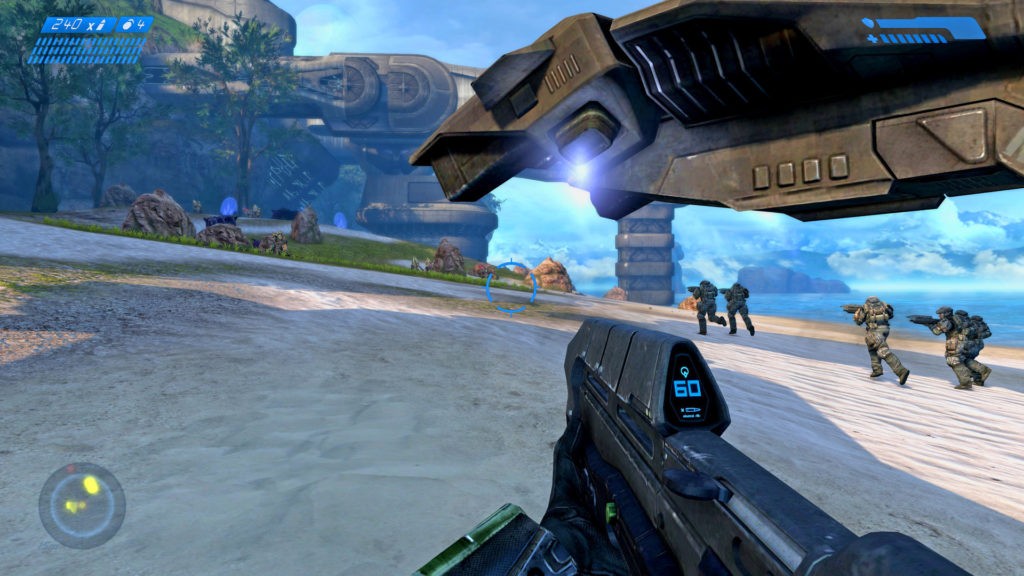
Part 1 — What Is a Shooting Game?
A shooting game (or shooter) is a genre focused on precision, reflexes, and spatial awareness. The core mechanic revolves around aiming and shooting enemies or targets while navigating an environment.
Shooting games usually fall into a few major sub-categories:
- First-Person Shooters (FPS) – You see through the character’s eyes
- Third-Person Shooters (TPS) – The camera follows behind the character
- Arena / Arcade Shooters – Fast, score-based, reflex-heavy gameplay
- Tactical Shooters – Slower pace, strategy, positioning, and realism
What makes shooters special is the tight feedback loop: aim → shoot → hit → reward. When this loop feels good, players stay engaged for hours.
3 Popular Shooting Games (and Why Players Love Them)
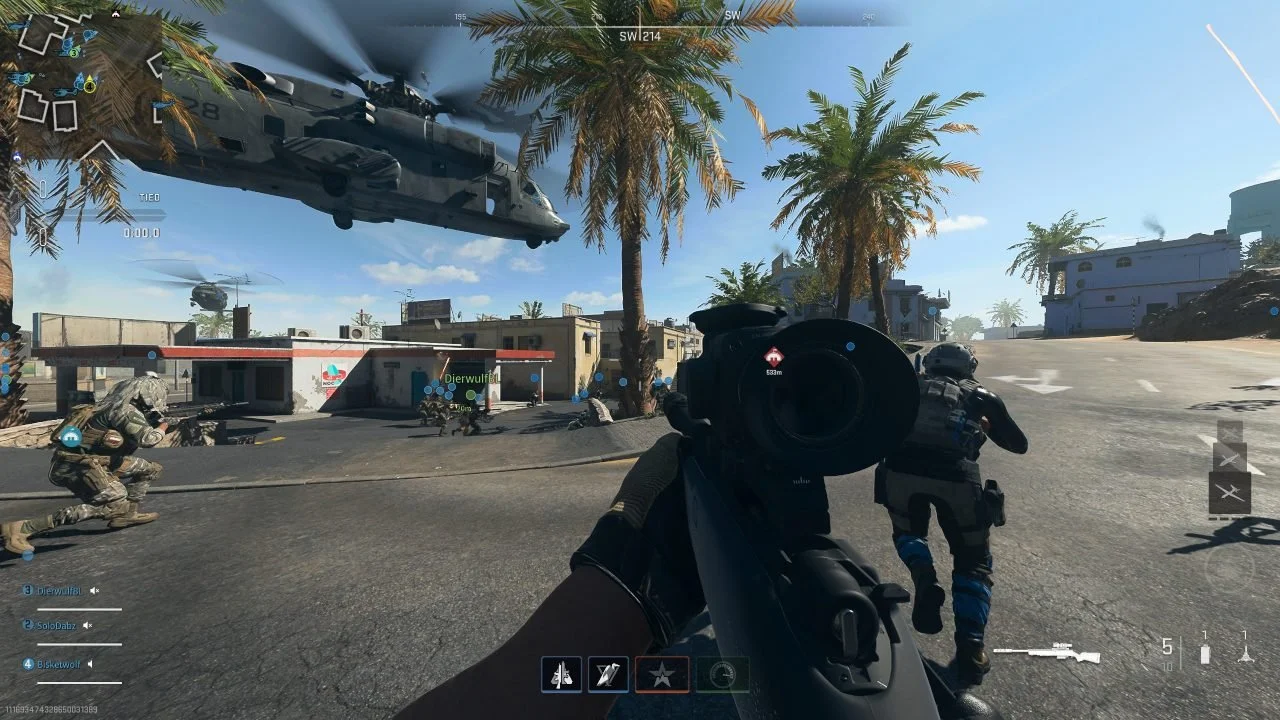
1. Call of Duty
- Fast, cinematic combat
- Extremely responsive gunplay
- Strong progression systems (weapons, perks, cosmetics)
Why people love it:
It makes players feel powerful quickly while still rewarding mastery.
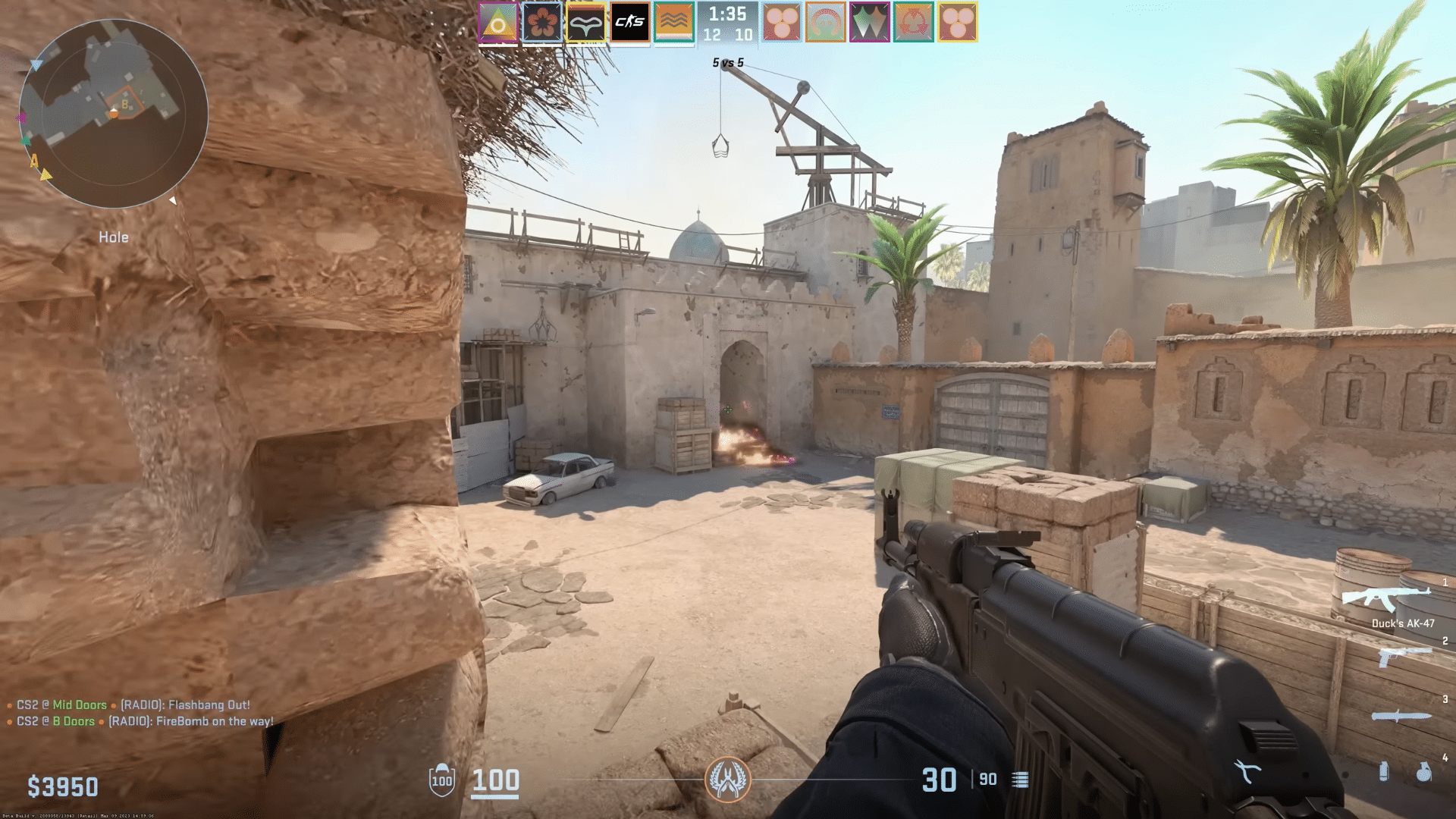
2. Counter-Strike
- High skill ceiling
- Minimal randomness
- Competitive, high-stakes rounds
Why people love it:
Every action matters. Skill and teamwork beat flashy mechanics.
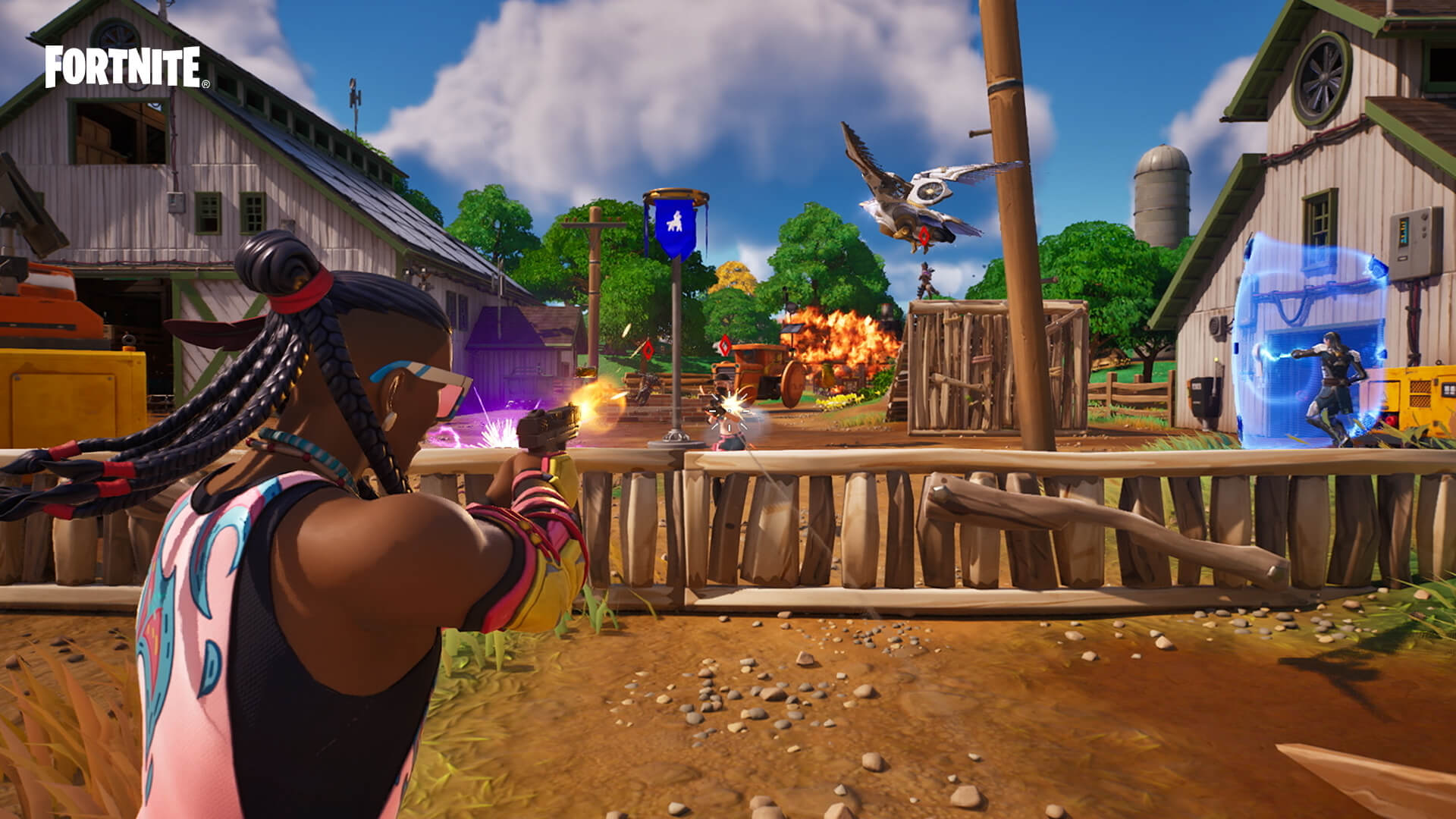
3. Fortnite
- Shooting + building mechanics
- Stylized visuals
- Massive social and creator ecosystem
Why people love it:
It blends shooting with creativity, expression, and live events.
Why Shooting Games Are So Popular (In General)
- Immediate feedback (hits, sounds, effects)
- Clear player improvement over time
- Competitive or cooperative tension
- High replayability
- Perfect for streaming and content creation
Part 2 — How to Create a Shooting Game with Rosebud AI
Rosebud AI allows you to build a shooting game without starting from raw code, using structured prompts and iterative design.
Step 1 — Define the Core Shooting Fantasy
Before prompting, decide:
- FPS or TPS?
- Realistic or stylized?
- Fast arcade or tactical?
- Single-player, co-op, or PvP?
Keep it simple at first.
Step 2 — Base Prompt (≈450 Characters)
Starter Prompt:
Create a fast-paced third-person shooting game where the player fights waves of enemies in compact arenas. The core focus is smooth aiming, responsive shooting, and satisfying hit feedback. Include basic movement (run, jump, dodge), simple enemy AI that rushes or shoots from range, a health system, score tracking, and escalating difficulty. Visual style should be stylized and readable, optimized for quick gameplay sessions.
Step 3 — Full Game Design Prompt (Advanced)
Extended Prompt for Rosebud AI:
Design a complete third-person shooter game with modular levels and scalable difficulty. The player controls a single character with a primary weapon and reload mechanic. Enemies spawn in waves with increasing health, speed, and attack patterns. Implement clear hit indicators, damage numbers, sound feedback, and screen effects for impact. Add pickups (health, ammo, temporary power-ups), a combo or score multiplier system, and short rounds (2–5 minutes). The UI should clearly display health, ammo, score, and wave count. Art style is stylized and clean for performance and clarity. Ensure the gameplay loop is tight, replayable, and streamer-friendly.
Step 4 — Polish the Experience
Once playable, iterate:
- Improve enemy behavior variety
- Tune weapon feel (fire rate, recoil, reload time)
- Add cosmetic progression
- Add difficulty modifiers or challenge modes
Rosebud excels when you iterate fast, not when you over-design upfront.
Conclusion — Why Shooting Games Are Perfect for Rosebud AI
Shooting games are one of the best genres to build with AI tools because:
- Core mechanics are simple and universal
- Iteration speed matters more than raw assets
- Players instantly understand the fantasy
- They’re ideal for content, streaming, and rapid testing
With Rosebud AI, you can go from idea → playable shooter → polished prototype in a fraction of the time traditional development requires.
If you want to learn game design, grow an audience, or prototype fast-paced mechanics, a shooting game is one of the smartest places to start.

Patrick Moumiet
Patrick is a marketer at Rosebud with a background as a content creator and social media strategist. He has launched courses and coaching programs in social media marketing and content creation, coaching 500+ large-scale influencers customers. On the Rosebud blog, he writes about consumer AI and how to make money with AI, exploring ways to combine state-of-the-art models with Rosebud’s creative tools.