


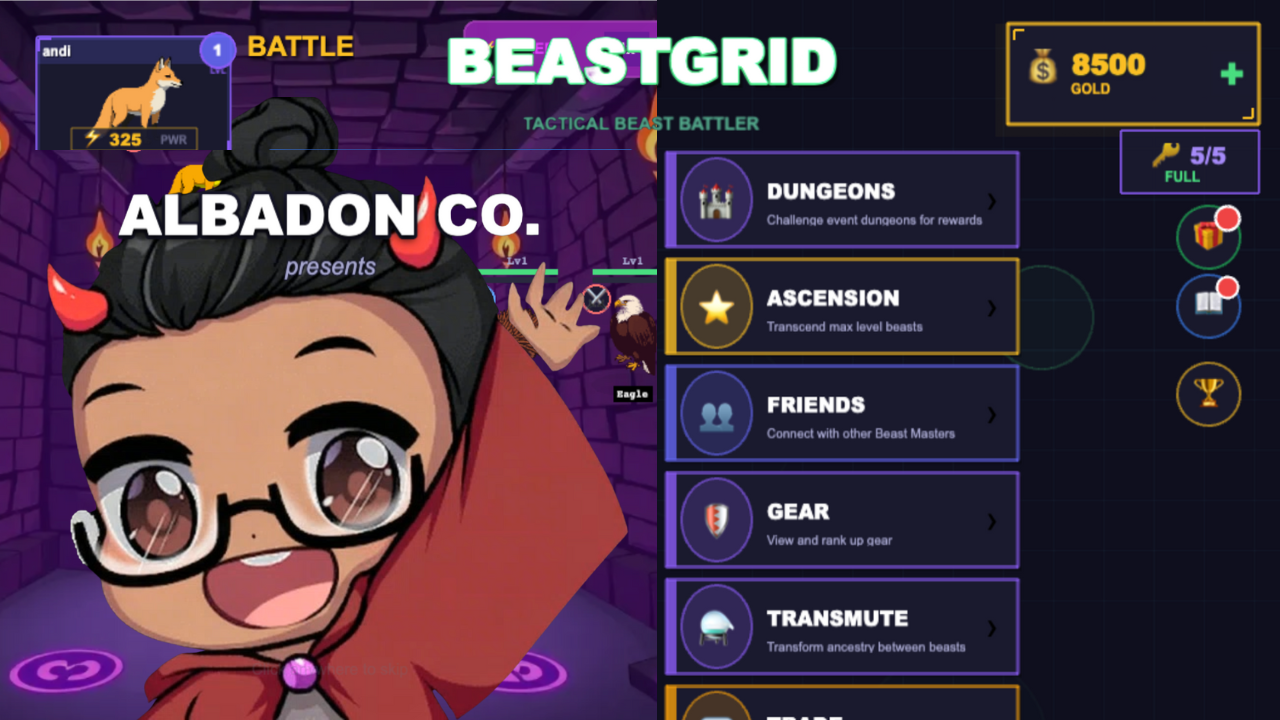
When Albadon started working on Beastgrid, it wasn’t meant to be a quick experiment.
From the beginning, the idea was ambitious: a creature battler inspired by gacha games, but without the parts that usually make them exhausting. No pay-to-win walls. No overpowered characters locked behind spending. And most importantly, progress that actually rewards time and curiosity, not credit cards.
What Albadon didn’t expect was just how far that idea would go, or how hard it would be to stop once it started becoming real.
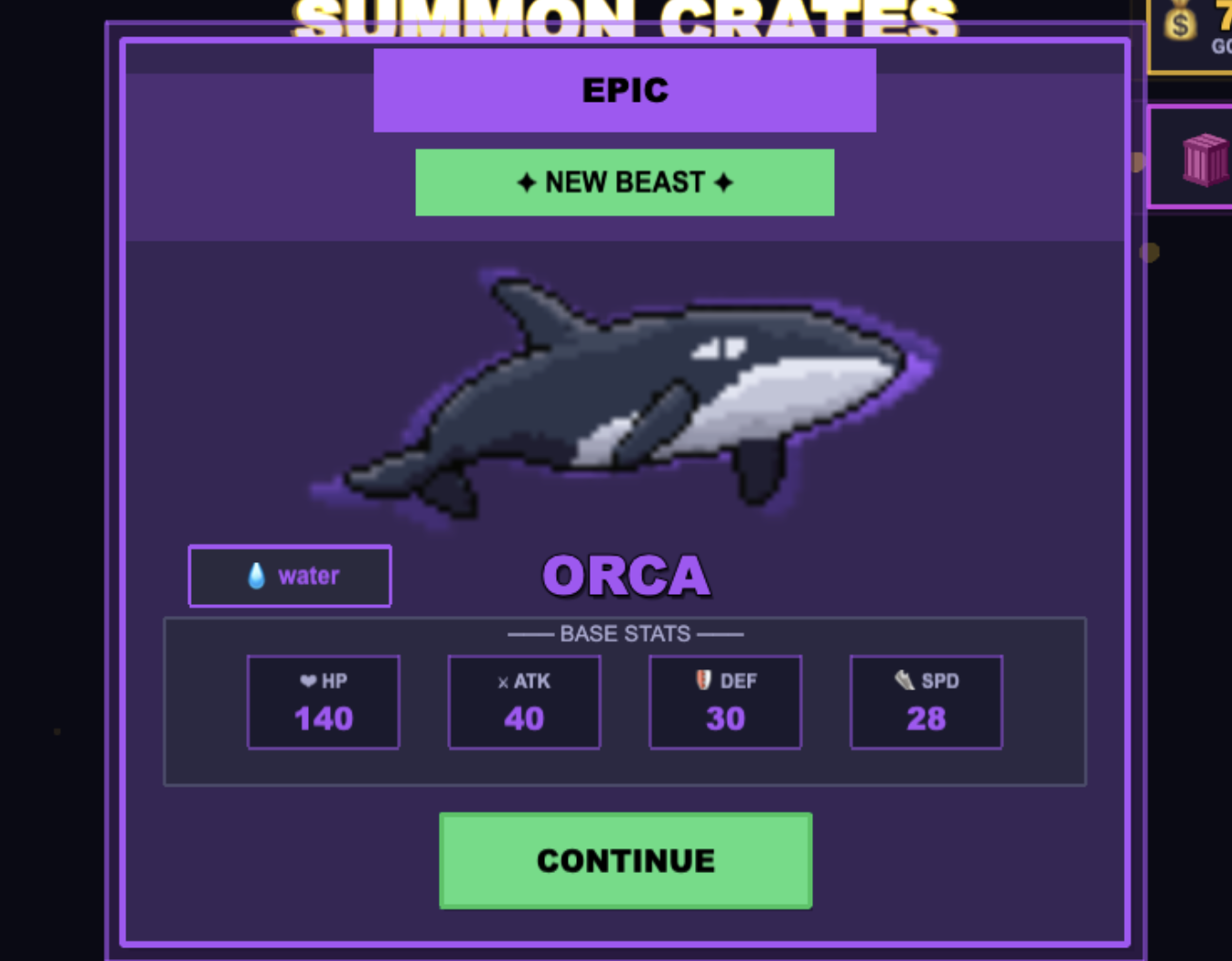
Today, Beastgrid is a deep, living game: account login, chat, dozens of creature types with unique stats and abilities, multiple levels with leaderboards, detailed performance tracking, original music, and even multiplayer elements. It’s publicly playable, actively discussed, and constantly being refined.
And it’s largely the result of one developer choosing to keep going.
Building for Fairness, Not Whales
Albadon has always loved gacha-style games, but also felt burned by them.
“I’ve always heavily enjoyed gacha games, with the feeling of getting buried under the ‘whales’ heavily ruining the experience,” they explain. “When everything is locked behind spending or limited-time power creep, it can be disheartening to keep playing.”
Beastgrid was designed as a response to that frustration.
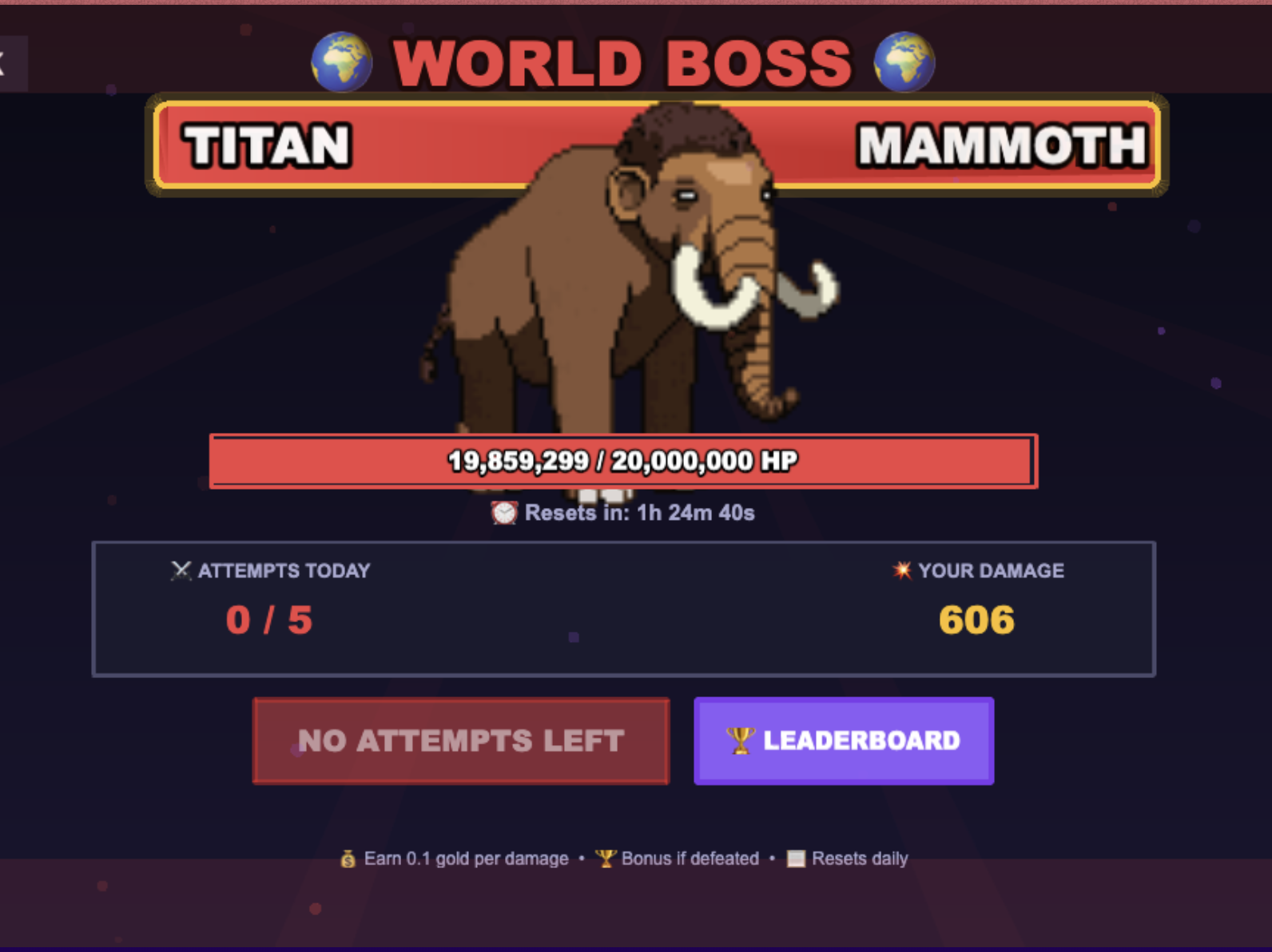
PvP exists, but it isn’t the main source of rewards. Progress isn’t gated by being better than other players. There’s even a daily world boss event that encourages cooperation instead of competition, with participation rewards and a bonus for everyone when the boss is defeated.
From the start, Beastgrid was meant to feel generous. Something you could sink time into without feeling punished for not spending money.
When the Systems Finally Clicked
Unlike many creators, Albadon didn’t go into Beastgrid unsure if it could be pulled off.
After more than a year working with Rosebud and Rosie across multiple side projects, they already felt confident going in. The question wasn’t if they could build it, but whether everything would scale.
The closest thing to an “aha” moment came when the core battle system locked into place.
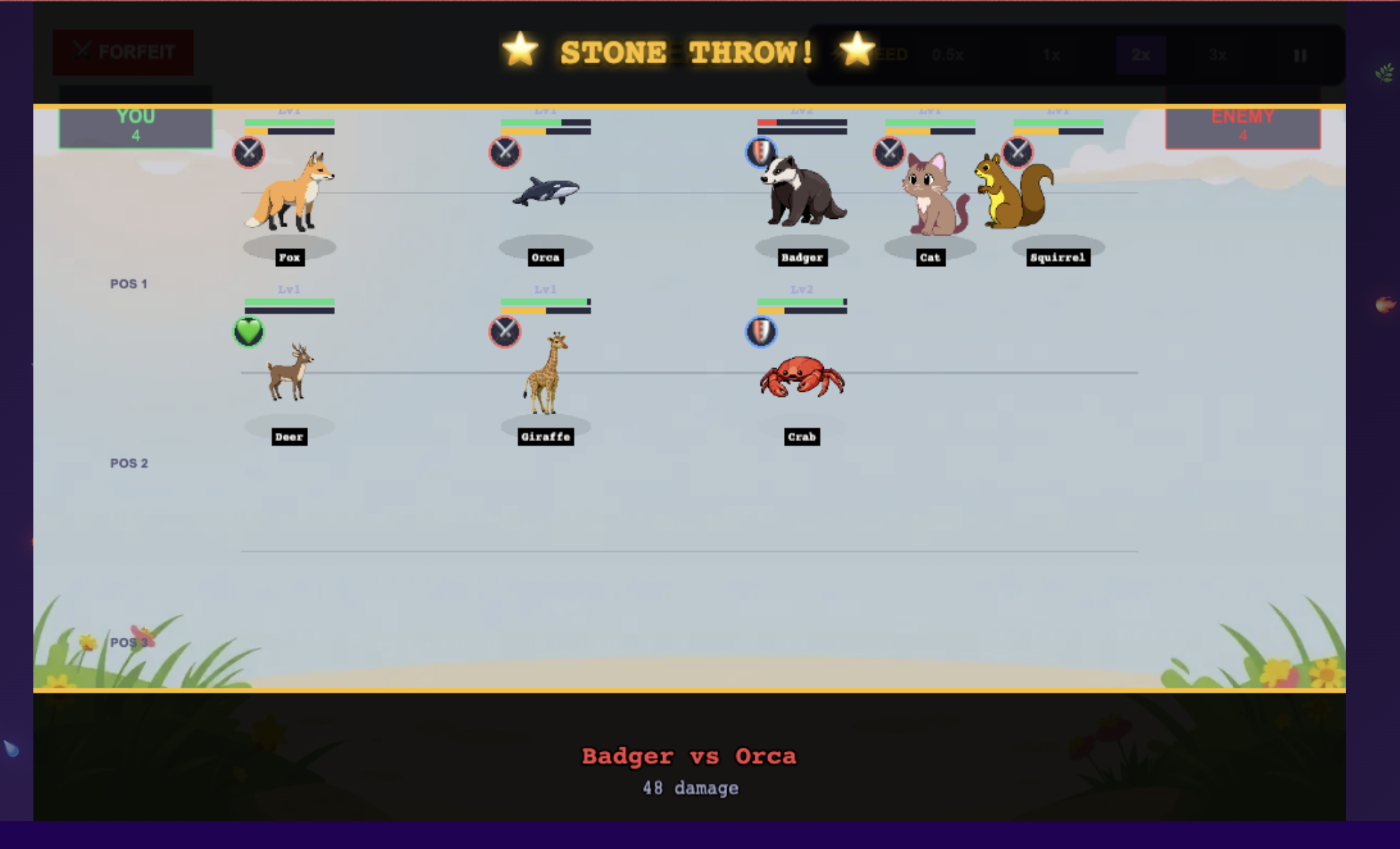
“Having a proper auto turn based battle game and designing over 90+ animals with unique passives and specials and different attack patterns and everything and just not seeing errors anymore after days of testing… that was huge”
Before opening the game up to the public, Albadon tested everything solo. Relentlessly.
“It was an absolute chore,” they admit. “Fixing things back and forth, testing battles over and over. But once it was stable, everything else became easier. The system was already scalable.”
The 12-Hour Days That Didn’t Feel Like Work
On days off from work, Albadon often spent 12+ hours on Beastgrid. It was genuinely hard to stop.
“Honestly, it’s probably just a horribly productive replacement for time I’d normally spend watching YouTube or playing something else,” they say. “It’s such a blast watching your game come to life.”
One finished feature led to another idea. One fixed bug revealed a new way to polish a scene. Sometimes the work was structural. Sometimes it was just nudging things on screen until they felt right.
“There’s almost always something to do,” Albadon says. “It really makes you appreciate how much work goes into game updates.”
What could have felt like burnout instead became momentum.
Building in Public (and Letting Others Break It)
One of the biggest accelerants for Beastgrid was people.
From the moment Beastgrid went public, the Rosebud Discord became part of the development loop. Bugs were found quickly. Balance issues surfaced. Quality-of-life ideas poured in.
“Playtesting is everything,” Albadon says. “The community helped me through some of the most draining parts of building.”
Mornings often started the same way: open Discord, see what broke overnight, fix that first.
“I’d usually try to push a small QoL improvement along with the fix,” they add. “Add something new while fixing something broken.”
That feedback loop kept Beastgrid moving, and kept Albadon motivated when things got heavy.
What Rosebud Actually Removes
Beastgrid started as a remake idea for an old Facebook game Albadon missed. Back then, Rosie wasn’t nearly as capable as she is now.
“I couldn’t have imagined it would come this far.”
Today, Rosebud’s biggest impact is cognitive relief.
“I would’ve had to learn every technical detail of each system before even starting,” Albadon explains. “And I’d have to keep track of file names, function names, folder structures… I would forget. Constantly.”
Rosie doesn’t.
“Rosie is way better at file management than I am. My Beastgrid files are the only ones on my PC that aren’t in total disarray.”
That organization frees up mental space to build faster and to think more clearly. And over time, debugging alongside Rosie has taught Albadon why things break, not just how to fix them.
“When errors happen now, I usually know exactly what to do based on the logs.”
Advice for Builders Afraid of Scope
Beastgrid is big. Intimidatingly big. But Albadon doesn’t believe scale should stop anyone.
“The scale of your game shouldn’t stop you from trying to bring it to life,” they say. “Start small and build on it.”
Start with:
- One room, not a whole world
- One enemy, not a full roster
- One system that works before layering more on top
“Setting the foundation is truly the hardest part. Polishing is the longest part, but arguably, it’s the most fun.”
Beastgrid isn’t finished. It’s still being tuned, expanded, and playtested, with plans to eventually bring it to the Play Store once the groundwork feels complete. But even now, it proves something important: AI-assisted development doesn’t just help you start.
In the right hands, it helps you keep going.

Andi Bucescu
Andi is the Head of Marketing at Rosebud, where she writes about the intersection of AI, creativity, and brand storytelling. She explores how generative AI is reshaping marketing strategies and creative workflows, with a focus on making complex technology accessible and cutting through the noise of modern campaigns. Her perspective is informed by undergraduate research on effective social media content and consumer psychology.