


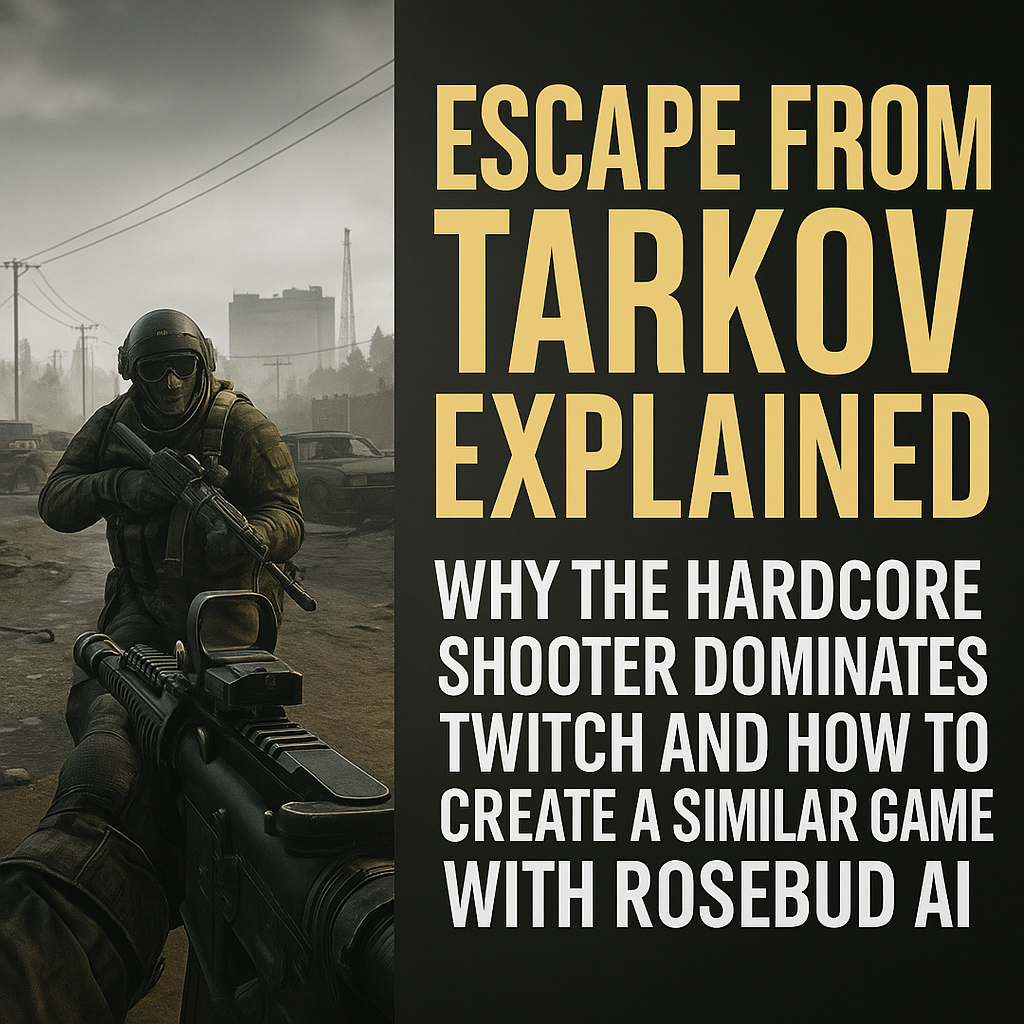
Escape from Tarkov: The Hardcore Shooter That Redefined Tension in Games
Escape from Tarkov isn’t just another first-person shooter. It’s a game built around stress, uncertainty, and consequence — and that’s exactly why it has become one of the most watched and discussed titles on Twitch.
Developed by Battlestate Games, Tarkov blends realistic gunplay with survival mechanics and RPG-style progression. Instead of traditional matches, players enter “raids,” scavenge for gear, fight AI and other players, and attempt to extract alive. The twist is brutal but simple: if you die, you lose almost everything you brought in.
That single rule changes everything.
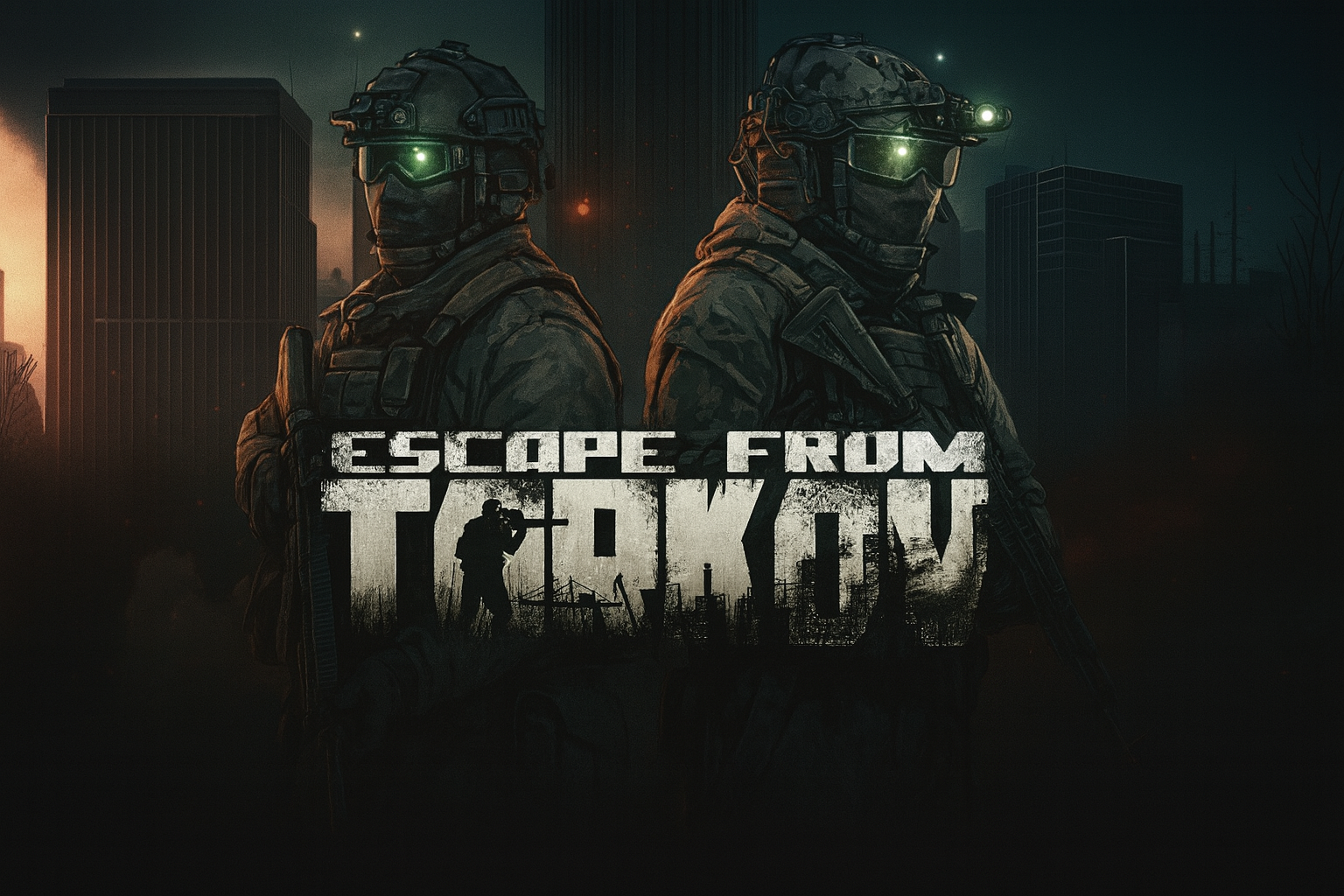
What Escape from Tarkov Actually Is
At its core, Tarkov is an extraction shooter set in a fictional, war-torn Russian city. Each raid is self-contained, but your character’s progression persists across sessions. Weapons, ammo, medical supplies, money — all of it carries over, which means every decision matters.
Combat is slow and deliberate. There’s no arcade-style running and gunning. Weapons have weight, recoil is punishing, and ammo types are as important as aim. The health system goes far beyond a simple HP bar: limbs can fracture, bleeding must be stopped manually, and pain can affect movement and accuracy.
Unlike most shooters, Tarkov gives you very little information. There’s no minimap, no clear indicators of enemy position, and no guarantee you’ll even see who killed you. Much of the game is about listening, map knowledge, and restraint.
The Gameplay Loop That Keeps Players Hooked
A typical Tarkov raid follows a familiar rhythm, but the outcome is never predictable.
You enter with a loadout you personally assembled. You move through hostile territory, searching for loot while avoiding or engaging enemies. As your inventory fills, tension increases — because now you have something to lose. The final goal isn’t to win a fight, but to reach an extraction point alive.
What makes this loop powerful is the emotional weight attached to it. Loot isn’t just cosmetic or score-based; it represents time, effort, and future power. Surviving a raid feels like relief. Dying can feel genuinely frustrating — and that’s intentional.
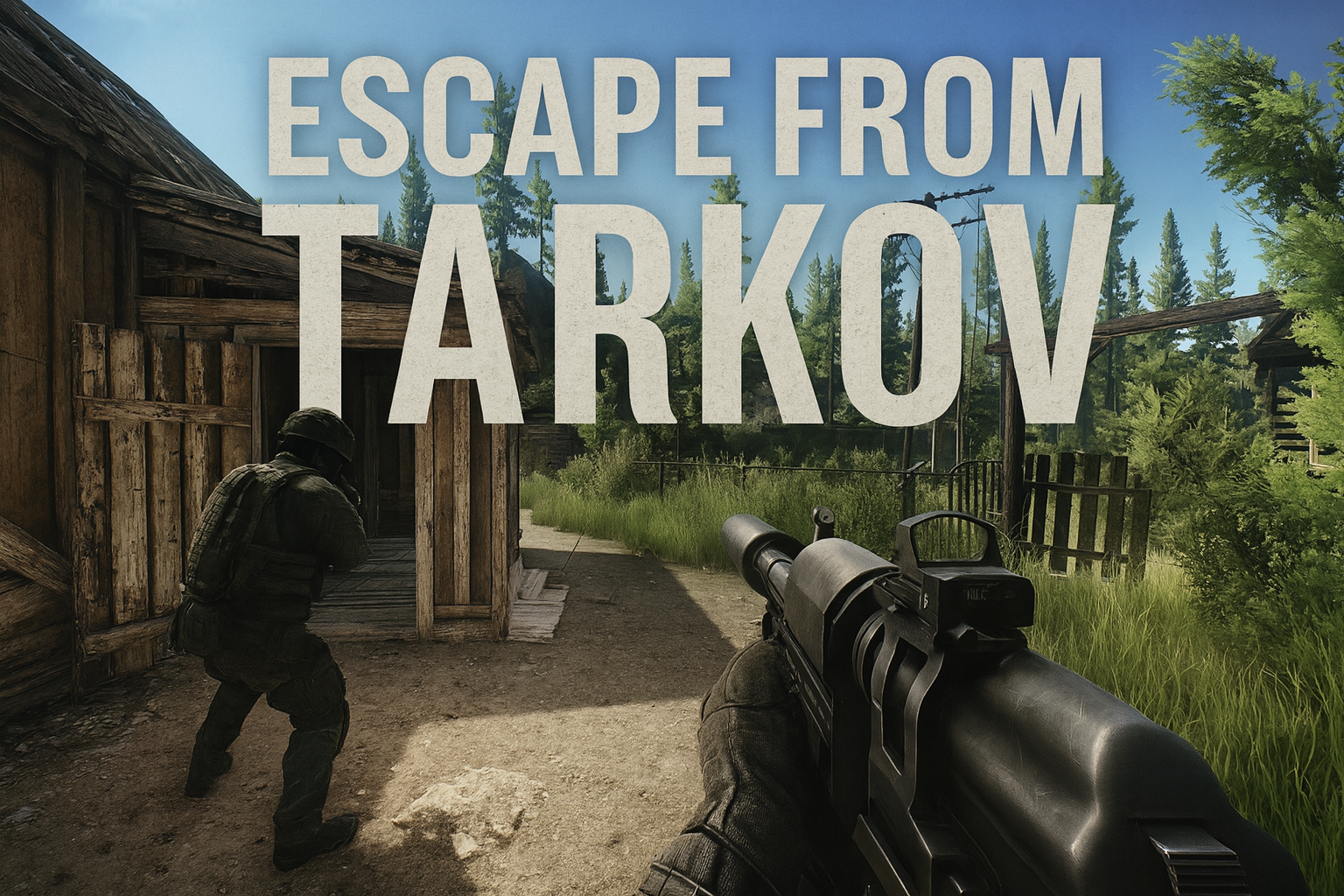
Why Escape from Tarkov Dominates Twitch
Tarkov is notoriously difficult to get into, but paradoxically, that’s why it thrives on Twitch.
First, the game naturally creates drama. Long stretches of silence can instantly turn into chaos. A single gunshot near extraction can flip the outcome of a 40-minute raid. Viewers don’t need constant action — they’re watching for moments.
Second, Tarkov has deep systems that reward knowledge. Ammo charts, armor penetration, economy management, map routes — viewers tune in to learn as much as to be entertained. Watching a skilled player feels like watching mastery under pressure.
Finally, periodic “wipes” reset progression for everyone. These wipes act like global relaunches, pulling streamers and viewers back into the game simultaneously. Few modern games create that shared sense of restart and discovery.
Tarkov isn’t just fun to watch — it’s compelling.
Why Players Stay Obsessed
Tarkov doesn’t respect the player’s time in the traditional sense — and that’s exactly why its audience is loyal.
Progress is slow. Failure is punishing. But success feels earned. The game rewards patience, discipline, and emotional control far more than reflexes alone. Over time, players don’t just improve mechanically — they think differently.
That psychological depth is rare, and it’s what keeps Tarkov relevant years after launch.
Creating a Tarkov-Like Game Using Rosebud AI
You don’t need a massive studio to explore these ideas anymore. With Rosebud AI, you can create a Tarkov-inspired game that captures the same tension and decision-making — without writing code.
The key is understanding what actually makes Tarkov work.
It’s not realism alone. It’s risk, persistence, and consequence.
Start With the Core Concept
Before opening any tool, define your game’s emotional goal. Ask yourself:
- What does the player risk when they enter a session?
- What happens when they fail?
- What makes survival meaningful?
You can simplify visuals, scope, and realism while keeping the heart of the experience intact.
Build the Game With Rosebud AI
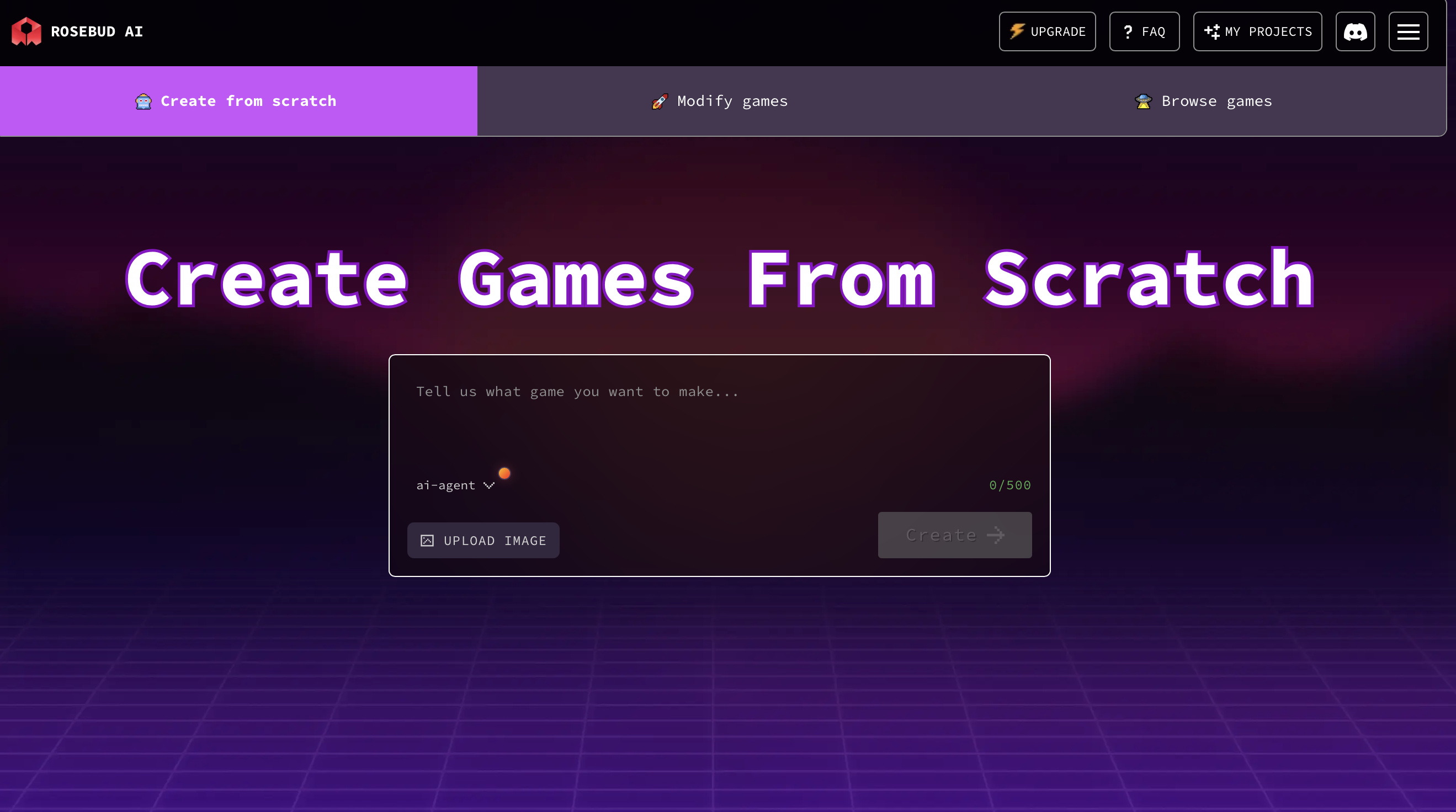
On the Rosebud AI homepage, you can describe your idea directly in natural language.
For example:
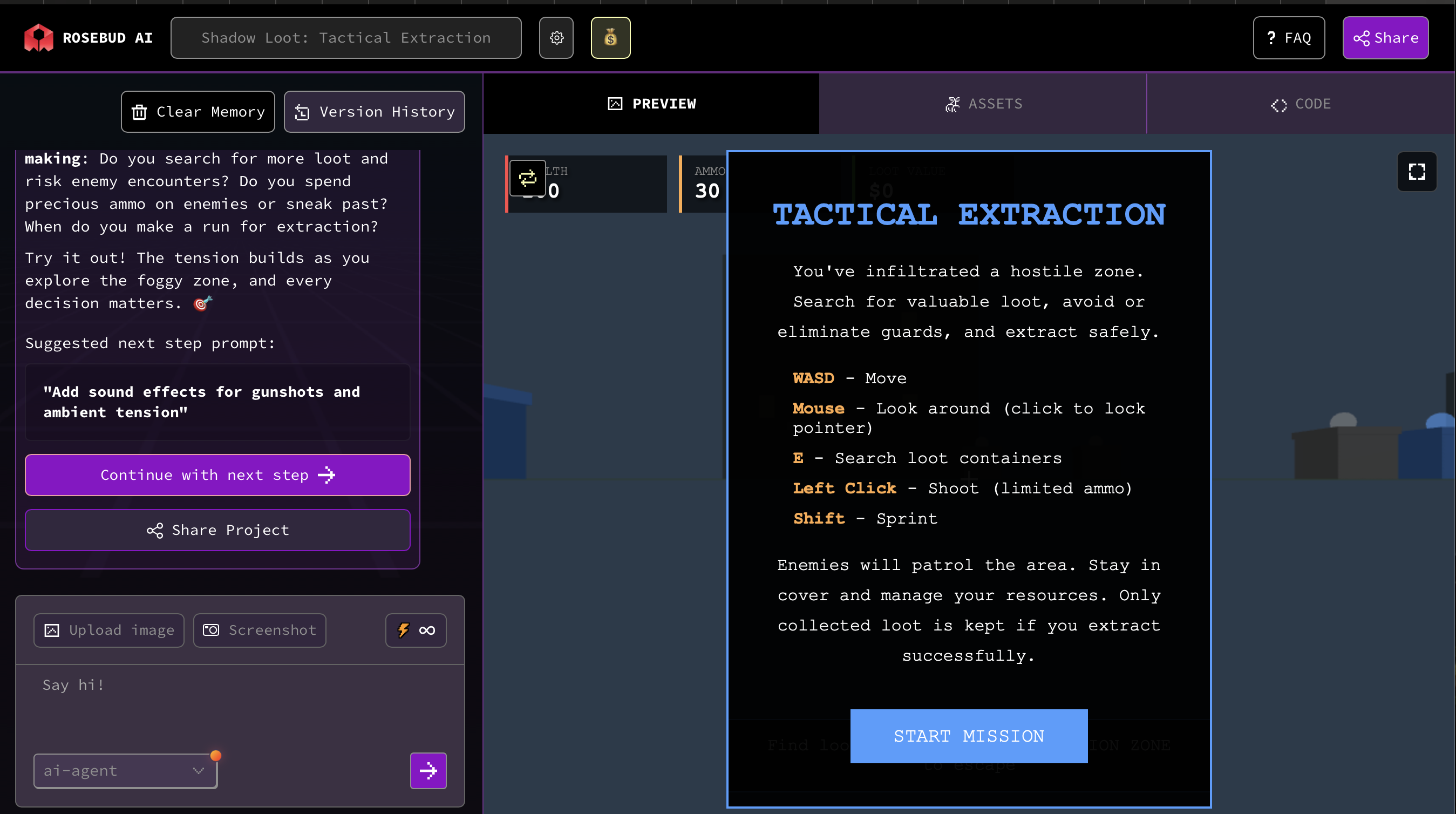
Create a tactical extraction game where players enter dangerous zones, search for valuable items, avoid or confront enemies, and must extract safely to keep their progress. The game emphasizes tension, limited resources, and strategic movement rather than fast-paced arcade shooting.
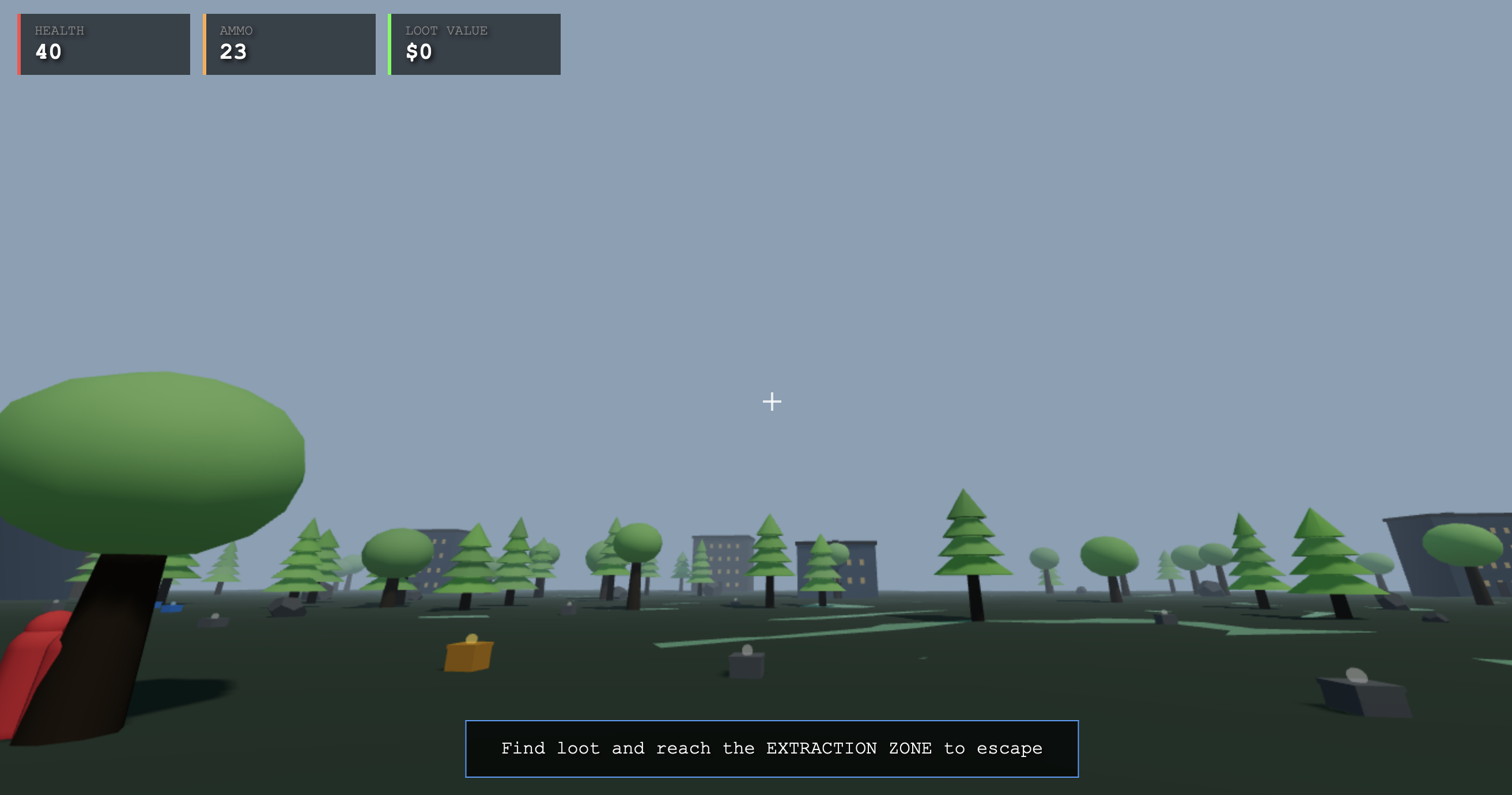
From this, Rosebud AI can generate a playable prototype with core mechanics in place — movement, interactions, objectives, and fail states — all without manual coding. You can my game here.
Design the Extraction Loop
Using Rosebud’s editor, you can shape the experience:
- Define entry points and extraction zones
- Place loot areas with varying risk
- Add AI encounters or scripted events
- Set clear success and failure conditions
This mirrors Tarkov’s structure while allowing you to experiment freely.
Add Progression and Consequences
To make the game emotionally engaging, persistence matters. Even simple systems can create strong attachment:
- Inventory that carries over between runs
- Limited healing or repair options
- Gear upgrades that take time to earn
These mechanics turn each session into a decision, not just a match.
Make It Your Own
A Tarkov-like game doesn’t need military realism. You could apply the same structure to:
- A sci-fi derelict station
- A cyberpunk city
- A fantasy dungeon scavenger
- A stylized low-poly survival world
What matters isn’t the setting — it’s the stakes.
Final Thoughts
Escape from Tarkov succeeded because it dared to make players uncomfortable. It replaced constant dopamine with tension, patience, and consequence — and in doing so, created some of the most memorable moments in modern gaming.
With Rosebud AI, those design principles are no longer locked behind years of engineering work. You can prototype, test, and iterate on extraction-style games quickly, creatively, and without coding.
The next game people watch with their heart pounding doesn’t have to come from a AAA studio.
It can start with a single idea — and a single prompt.

Patrick Moumiet
Patrick is a marketer at Rosebud with a background as a content creator and social media strategist. He has launched courses and coaching programs in social media marketing and content creation, coaching 500+ large-scale influencers customers. On the Rosebud blog, he writes about consumer AI and how to make money with AI, exploring ways to combine state-of-the-art models with Rosebud’s creative tools.