


Create a Roleplaying Game with Rosebud AI
Roleplaying games (RPGs) are one of the most enduring and emotionally engaging forms of games. They let players step into another identity, make meaningful choices, and shape a story through action rather than observation. Today, with tools like Rosebud AI, creating an RPG no longer requires a full studio or years of development.
This guide breaks down what a roleplaying game is, why people love them, and how to create your own RPG using Rosebud AI—from concept to playable experience.
Part 1 — What Is a Roleplaying Game?
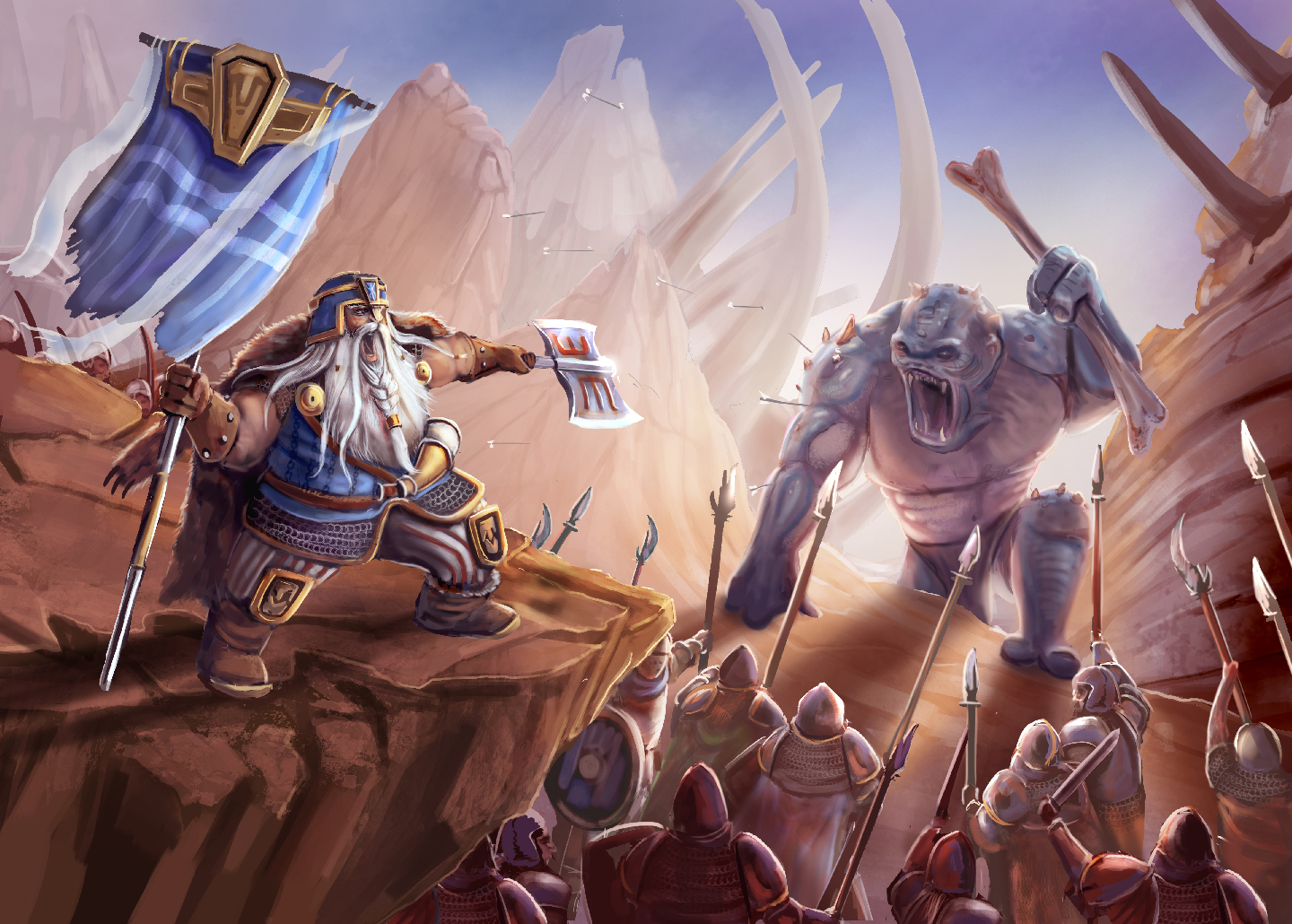
A roleplaying game is a game where the player takes on the role of a character inside a fictional world. Instead of simply reacting to challenges, the player makes decisions that influence the story, relationships, and outcomes.
At its core, an RPG is defined by:
- A player character with an identity, role, or growth path
- Narrative choices that affect the world or story
- Progression systems (skills, reputation, stats, relationships)
- A sense of agency—your decisions matter
People are drawn to RPGs because they combine storytelling, freedom, and personal expression. Players don’t just play a level; they live inside a world.
The 3 Most Popular Roleplaying Games (and Why They Work)
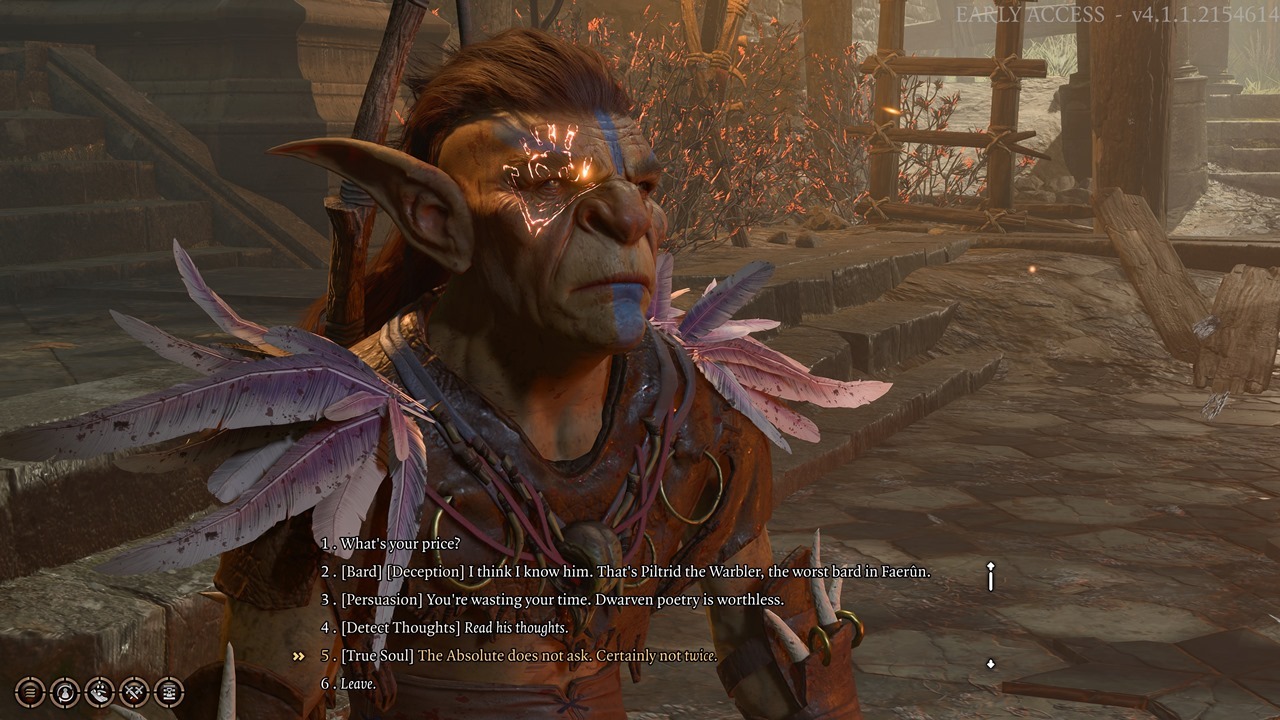
The Witcher 3: Wild Hunt
What makes it special is moral complexity. Choices rarely feel “good or bad”—they feel human. Players love the deep writing, believable characters, and long-term consequences that unfold hours later.
Why players love it
- Heavy story focus
- Consequences that feel earned
- A strong, defined protagonist
The Elder Scrolls V: Skyrim
Skyrim thrives on freedom. You can ignore the main quest for dozens of hours and still feel like you’re playing the game “correctly.” Exploration itself becomes the story.
Why players love it
- Total freedom of playstyle
- Immersive world exploration
- Player-driven storytelling
Baldur’s Gate 3
Baldur’s Gate 3 modernized classic RPG mechanics with cinematic dialogue, deep companions, and extreme reactivity. Almost every decision feels acknowledged by the game.
Why players love it
- Branching dialogue and outcomes
- Deep character relationships
- High replay value
Part 2 — How to Create a Roleplaying Game with Rosebud AI
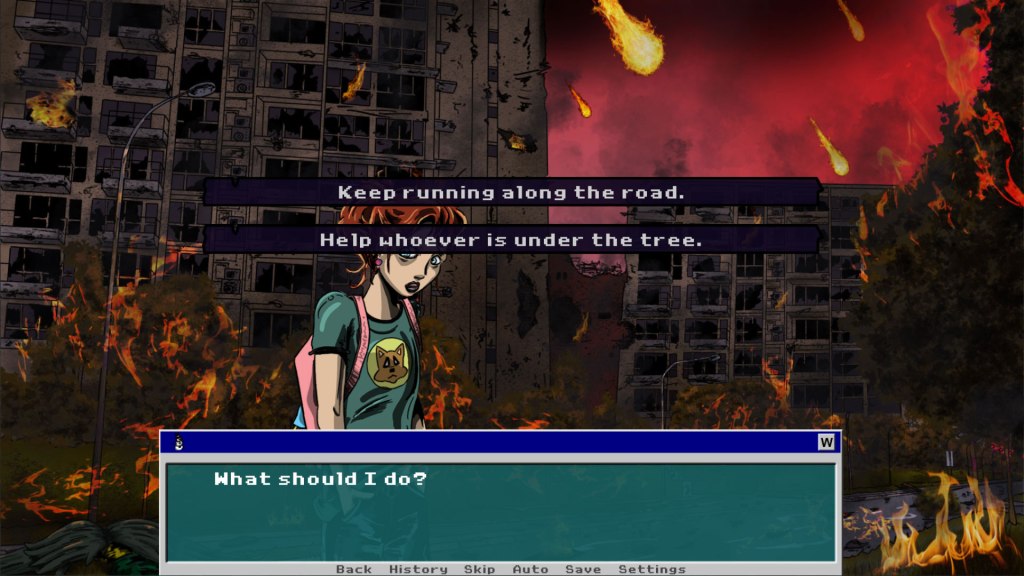
Rosebud AI makes RPG creation accessible by letting you describe systems, characters, and worlds in natural language, then iterate visually and interactively.
Instead of building everything from scratch, you focus on design intent.
Step 1 — Define Your RPG Fantasy
Before writing a prompt, clarify the fantasy:
- Who is the player?
- What kind of choices do they make?
- What changes based on those choices?
Good starter RPG fantasies include:
- Social reputation (status, trust, fear, love)
- Survival decisions (risk vs safety)
- Moral dilemmas (short-term gain vs long-term cost)
Keep it simple at first—depth comes from interaction, not scope.
Step 2 — Base Prompt (500 Characters)
Use this to initialize your game inside Rosebud AI:
Prompt
Create a narrative-driven roleplaying game where the player controls a customizable character in a choice-based world. The game focuses on dialogue, relationships, and reputation. Every decision affects future scenes, NPC behavior, and story outcomes. Include branching conversations, multiple endings, and a progression system based on trust, fear, or influence rather than combat.
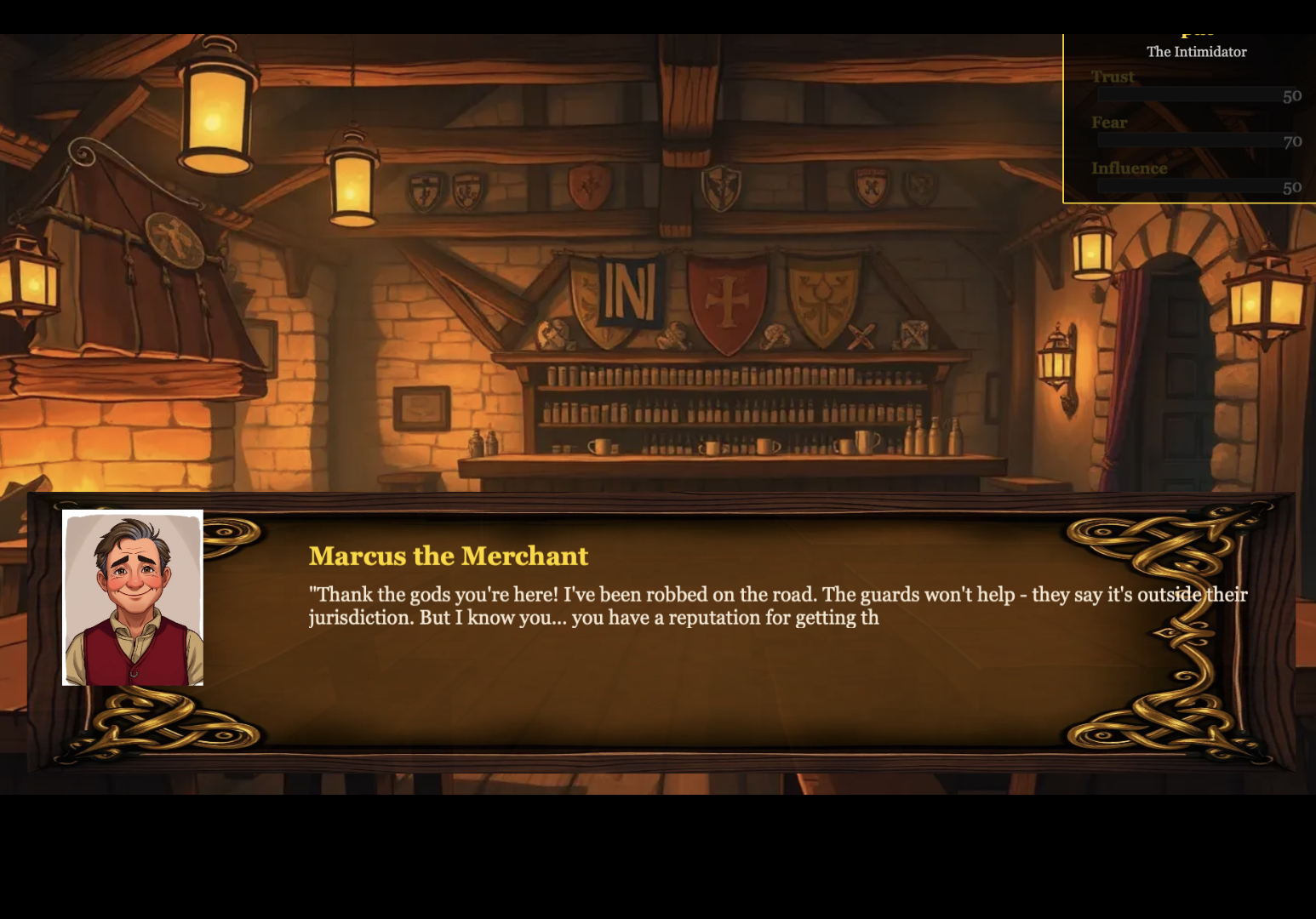
This gives Rosebud the structure of an RPG. You can implement your game as a 2D or 3D game.
Step 3 — Core Systems to Implement
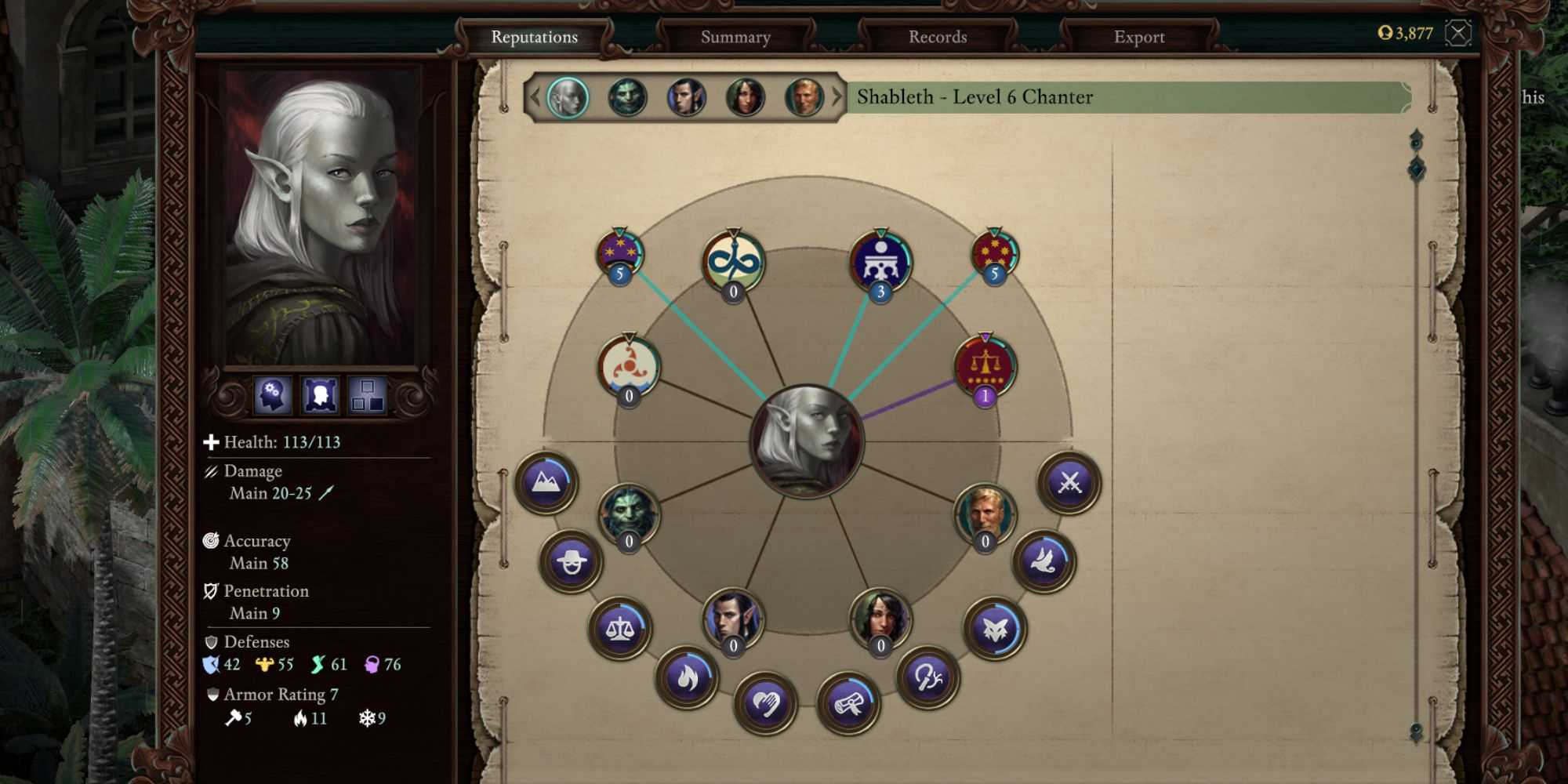
To make the RPG feel real, implement a few lightweight systems:
1. Choice → Consequence
- Dialogue options unlock or close future paths
- NPCs remember past actions
2. Reputation or Relationship Meter
- Track trust, fear, loyalty, or influence
- NPC reactions change based on values
3. Scene-Based Progression
- Story unfolds in chapters or locations
- Each scene reacts to prior choices
You don’t need combat for a compelling RPG—many successful RPGs are purely narrative.
Step 4 — Expanding the Game
Once the core works, expand carefully:
- Add multiple endings tied to player behavior
- Introduce recurring NPCs with evolving attitudes
- Add optional side paths that reveal lore or secrets
Replayability comes from different outcomes, not longer playtime.
Step 5 — Practical Advice for Better RPGs
- Start with fewer choices, deeper consequences
- Reuse locations with different narrative states
- Let silence or inaction be a meaningful option
- Design NPCs with goals, not just dialogue
If a choice doesn’t change anything later, players will feel it.
Why Rosebud AI Is Ideal for RPG Creation
Rosebud AI excels at RPGs because:
- Natural language prompts define complex logic
- Narrative systems are easy to iterate
- You can test, remix, and publish fast
It’s especially powerful for story-first games, experimental RPGs, and creator-driven projects.
Final Thought
Roleplaying games are about identity, choice, and consequence. With Rosebud AI, you don’t need a massive engine or team—you need a strong idea and clear intent.
If you can describe the world, the rules, and why choices matter, you can build an RPG people want to replay.

Patrick Moumiet
Patrick is a marketer at Rosebud with a background as a content creator and social media strategist. He has launched courses and coaching programs in social media marketing and content creation, coaching 500+ large-scale influencers customers. On the Rosebud blog, he writes about consumer AI and how to make money with AI, exploring ways to combine state-of-the-art models with Rosebud’s creative tools.