


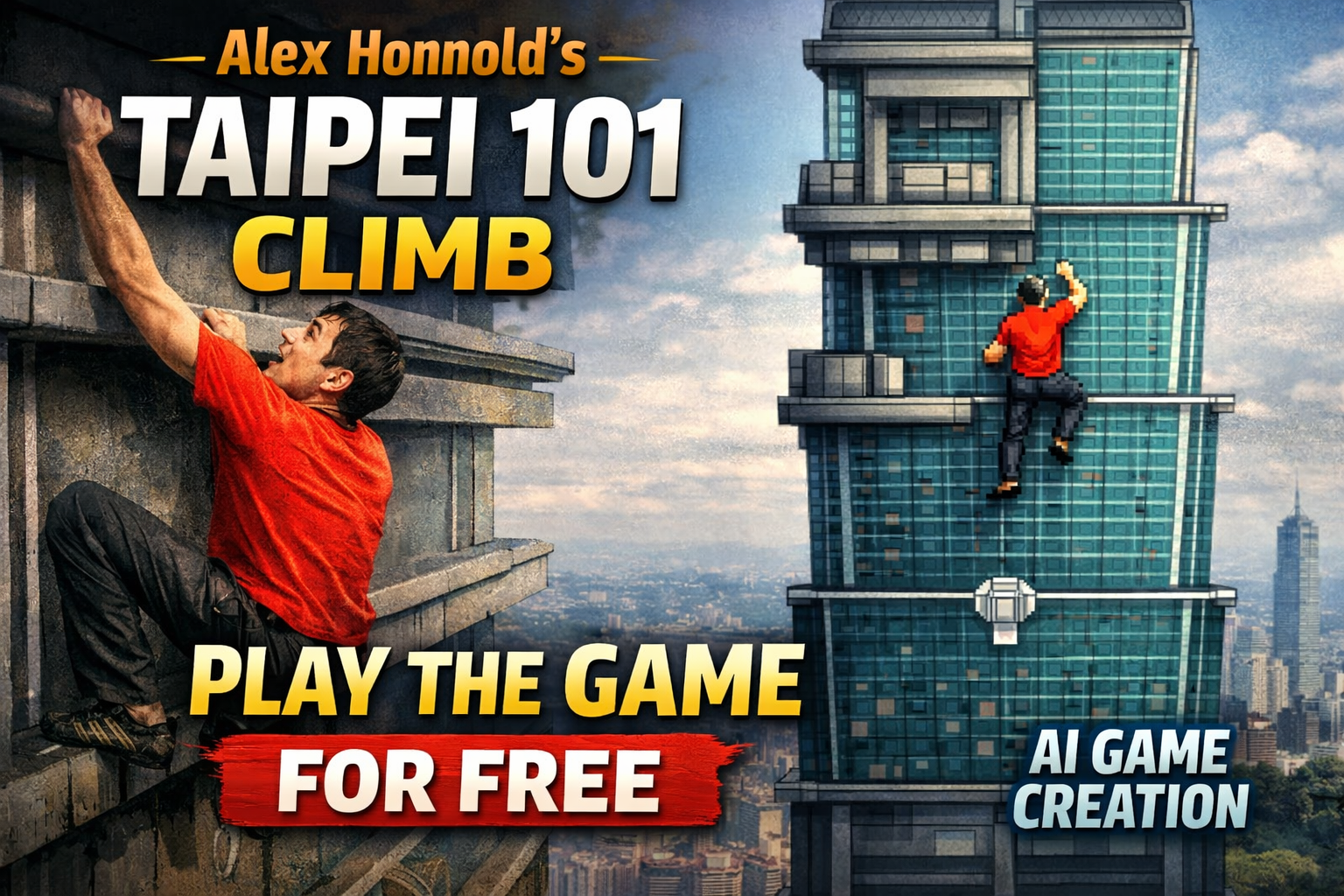
Alex Honnold’s Taipei Tower Climb on Netflix — And How to Play It as a Game for Free
PART 1 — What Was Alex Honnold’s Taipei Tower Climb on Netflix?
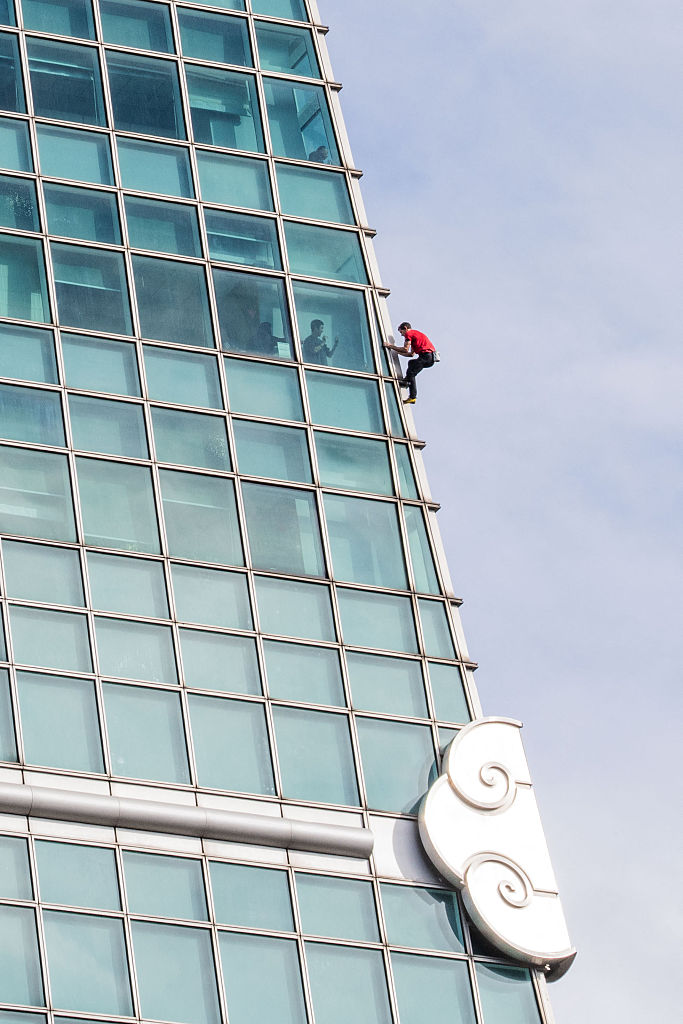
Alex Honnold, the world’s most famous free-solo climber, shocked audiences by climbing Taipei 101, one of the tallest buildings on Earth.
The event, streamed live on Netflix as Skyscraper Live, followed Honnold as he climbed the 508-meter (1,667-foot)skyscraper with no ropes, no safety gear, and no margin for error.
Unlike traditional rock climbing, this ascent took place on a modern glass-and-steel megastructure, featuring narrow ledges, maintenance rails, exposed beams, and brutal wind at extreme height. Every move was real, irreversible, and mentally exhausting.

Why It Was So Impressive
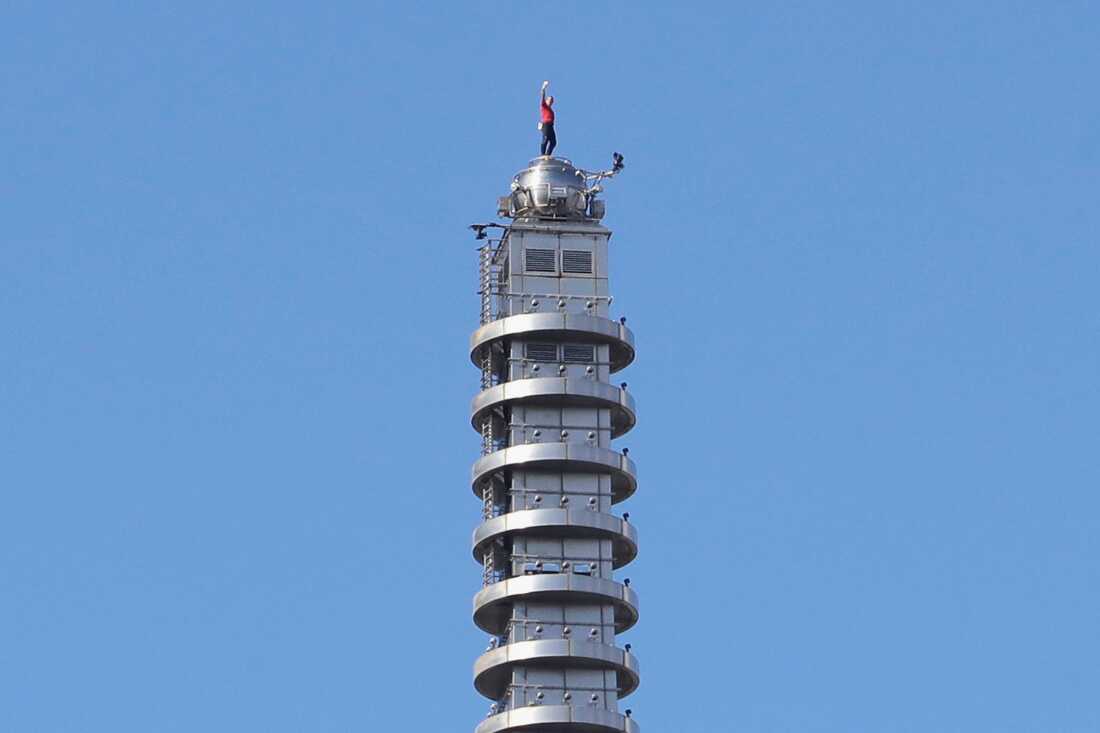
- Scale: Taipei 101 is taller than the Eiffel Tower and dominates the skyline
- Environment: Smooth surfaces, minimal holds, strong wind exposure
- Mental pressure: One slip meant a fatal fall
- Live format: No edits, no retries
The climb wasn’t about speed or strength. It was about focus, fear control, and precision — qualities that translate perfectly into a climbing game.
PART 2 — Play Alex Honnold’s Taipei Tower as a Game (For Free) with AI
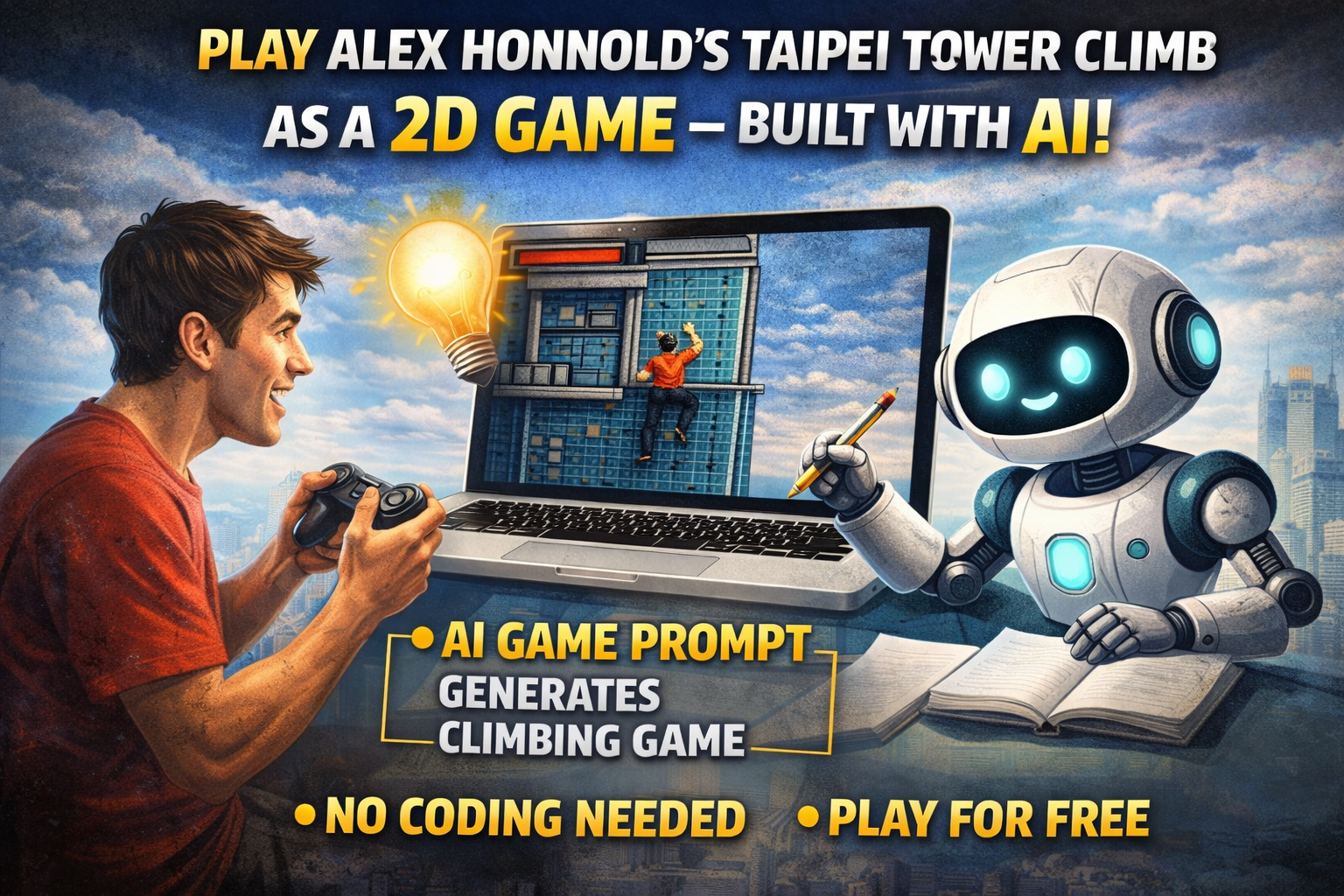
With modern AI game creation tools, you can recreate this experience yourself — and even play it — for free.
Using Rosebud AI, you can generate a 2D vertical climbing game inspired by Honnold’s Taipei 101 ascent without writing code.
Step 1 — Game Ideation (The Concept)
The idea is simple and powerful:
- One massive vertical tower
- No combat, no power-ups
- Pure climbing, stamina, and balance
- One mistake = fall
The goal is not to “win fast,” but to stay calm and climb smart.
Step 2 — AI Game Prompt (Copy & Play)
500-character game prompt:
Create a 2D vertical climbing game inspired by Alex Honnold’s free-solo ascent of Taipei 101. The player climbs a massive skyscraper from bottom to top with no rope and no checkpoints. Gameplay focuses on precise hand and foot placement, stamina management, balance, and calm decision-making. Wind strength increases with height, ledges are narrow, and some grips are unstable. One mistake causes a fall and resets the run. Minimal UI, realistic physics, intense vertical scale.
Paste this into Rosebud AI to instantly generate a playable climbing game. You can try my final version here.
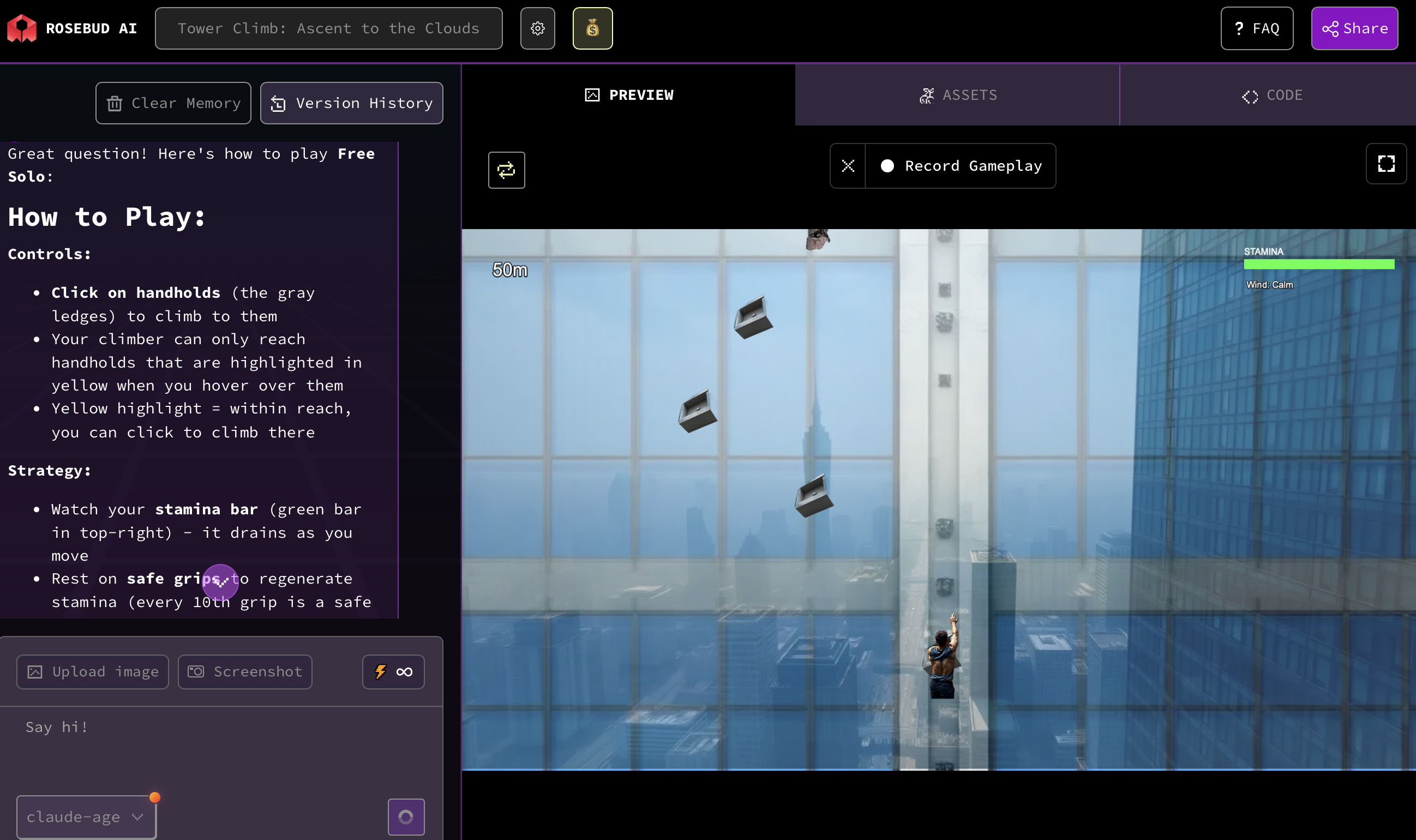
Step 3 — Design & Gameplay Advice
Design Tips
- Use a strict vertical camera
- Keep colors realistic (glass, concrete, steel)
- Add subtle parallax for vertigo
- Avoid flashy effects — tension comes from silence
Gameplay Tips
- No jumping — only reach, shift, and climb
- Rare resting spots to increase pressure
- Stronger wind and stamina drain near the top
- Optional “practice mode” with checkpoints
This keeps the game grounded, intense, and respectful of the real climb.
Conclusion — From Real Fear to Playable Game
Alex Honnold’s Taipei 101 climb wasn’t just a spectacle — it was a masterclass in focus and human limits. Thanks to AI game creation, you can now turn real-world extreme moments into playable experiences.
With tools like Rosebud AI, anyone can:
- Play games for free
- Create AI-powered games
- Transform real events into interactive stories
No code. Just imagination, prompts, and design.

Patrick Moumiet
Patrick is a marketer at Rosebud with a background as a content creator and social media strategist. He has launched courses and coaching programs in social media marketing and content creation, coaching 500+ large-scale influencers customers. On the Rosebud blog, he writes about consumer AI and how to make money with AI, exploring ways to combine state-of-the-art models with Rosebud’s creative tools.